2 hr 30 min
Beginner Scuba Diving Experience in Tossa de Mar
- Entry ticket
- Mobile voucher
- Valid same day
- Free cancellation
PADI Scuba Diving Costa Brava — Certified Courses & Marine Reserve Dives
Clear waters, volcanic reefs, PADI-certified instruction from Tossa to Montgrí
Compare fares, pick the fit — all bookings are mobile-voucher and eligible for free cancellation where shown.
2 hr 30 min
8 hr
2 hr
Selecting the right padi scuba diving costa brava experience ensures you meet your training goals in the Mediterranean. These options range from introductory sessions to full certification courses for those exploring the local marine life.
| Try Dive Beginner level |
Top pick Open Water Course Full Certification |
|
|---|---|---|
| Access Type | Single shallow water session | Multi-day PADI instruction |
| Underwater Scope | Confined water and short reef tour | Comprehensive site exploration |
| Certification Included | No | Yes upon completion |
| Equipment | Full gear rental included | Full gear rental included |
| Best For | First-time discovery | Certification-seeking divers |
| See tickets & prices |
Verdict: Choose the Try Dive for a brief introduction or the Open Water Course if you are ready to book padi scuba diving costa brava tickets for your full qualification.
Worth it for divers seeking certification and marine biodiversity
PADI scuba diving Costa Brava delivers exceptional value for certification-seekers and experienced divers targeting Mediterranean marine reserves. The introductory scuba diving in Montgrí Nature Reserve provides structured training in protected waters rich with groupers, octopus, and endemic species—a stark contrast to surface-level snorkeling tours that limit depth and encounter quality. Beginner scuba diving experiences in Tossa de Mar pair instruction with rocky reef exploration, while the Montgrí Natural Park snorkeling and diving adventure caters to mixed-ability groups. Costa Brava's coastal geography creates natural protection for dive sites, maintaining visibility that rivals pricier Balearic destinations. For certification-focused travelers, padi scuba diving costa brava tours anchor multi-day itineraries around skill progression rather than passive sightseeing. Non-divers comparing kayaking and cliff jumping day trips will find surface activities adequate for casual exploration, but underwater access to the Medes Islands marine reserve and Cap de Creus formations justifies the investment for anyone prioritizing biodiversity over beach time. The region's PADI centers operate year-round, allowing autumn and spring bookings when water clarity peaks and summer crowds thin.
Bottom line: Certification-seekers and biodiversity-focused divers gain measurable value from Costa Brava's protected reserves, while casual snorkelers find adequate alternatives in surface tours.
They complement each other; most visitors who do both call the PADI scuba diving costa brava tours more immersive for seeing deep-water wrecks and marine life.
|
Top pick PADI Scuba Diving |
Snorkeling | |
|---|---|---|
| Depth limit | Up to 9–18 meters | Surface level |
| Prerequisite | Certification or intro course | None (swimming ability only) |
| Equipment | Full kit (tank/BC/reg) | Mask/snorkel/fins |
| Intensity | Physical and technical | Relaxed and accessible |
| Activity focus | Submerged exploration | Surface wildlife viewing |
| Best time | May–October | 09:00–11:00 (calm water) |
| Cost range | Varies by activity | 0 EUR (coastal entry) |
| See tickets & prices |
Verdict: Choose PADI scuba diving costa brava tour tickets if you want to explore marine reserves like the Medes Islands at depth, whereas snorkeling provides a simpler, immediate way to enjoy the coastal waters.
Hand-picked experiences loved by thousands of travelers
3 hours
Free Cancellation
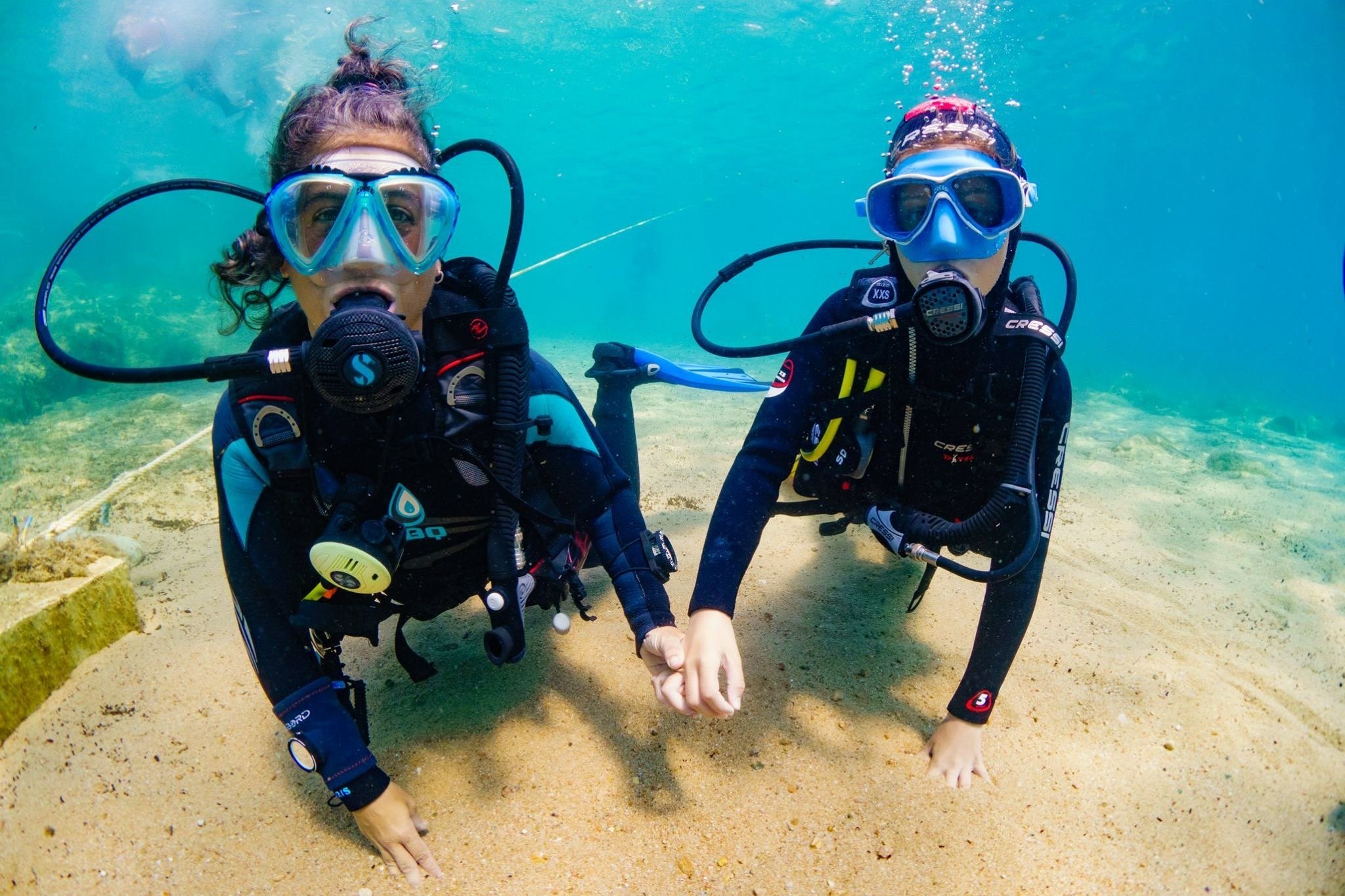
Discover the underwater world of the Mediterranean with a guided first-time dive in protected waters
2 hours 30 minutes
Free Cancellation
Discover Costa Brava's underwater treasures with a guided dive and snorkel in protected marine waters
2 hours
Free Cancellation
Discover underwater breathing in Costa Brava's sheltered bay with expert guidance—no certification needed
2 hours
Free Cancellation
Learn to dive with expert guidance in Costa Brava's crystal-clear waters during this beginner-friendly session
10 hours
Free Cancellation
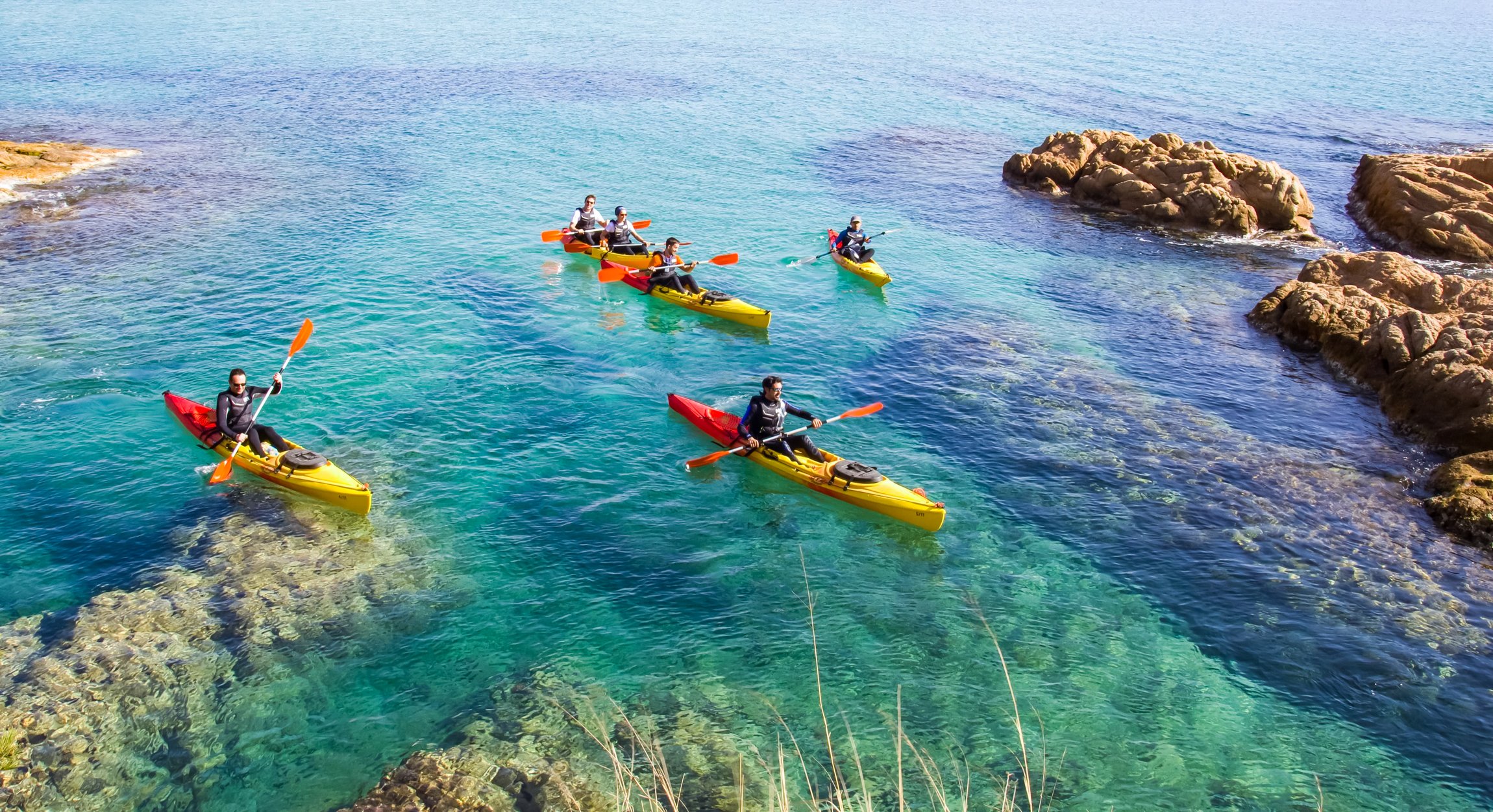
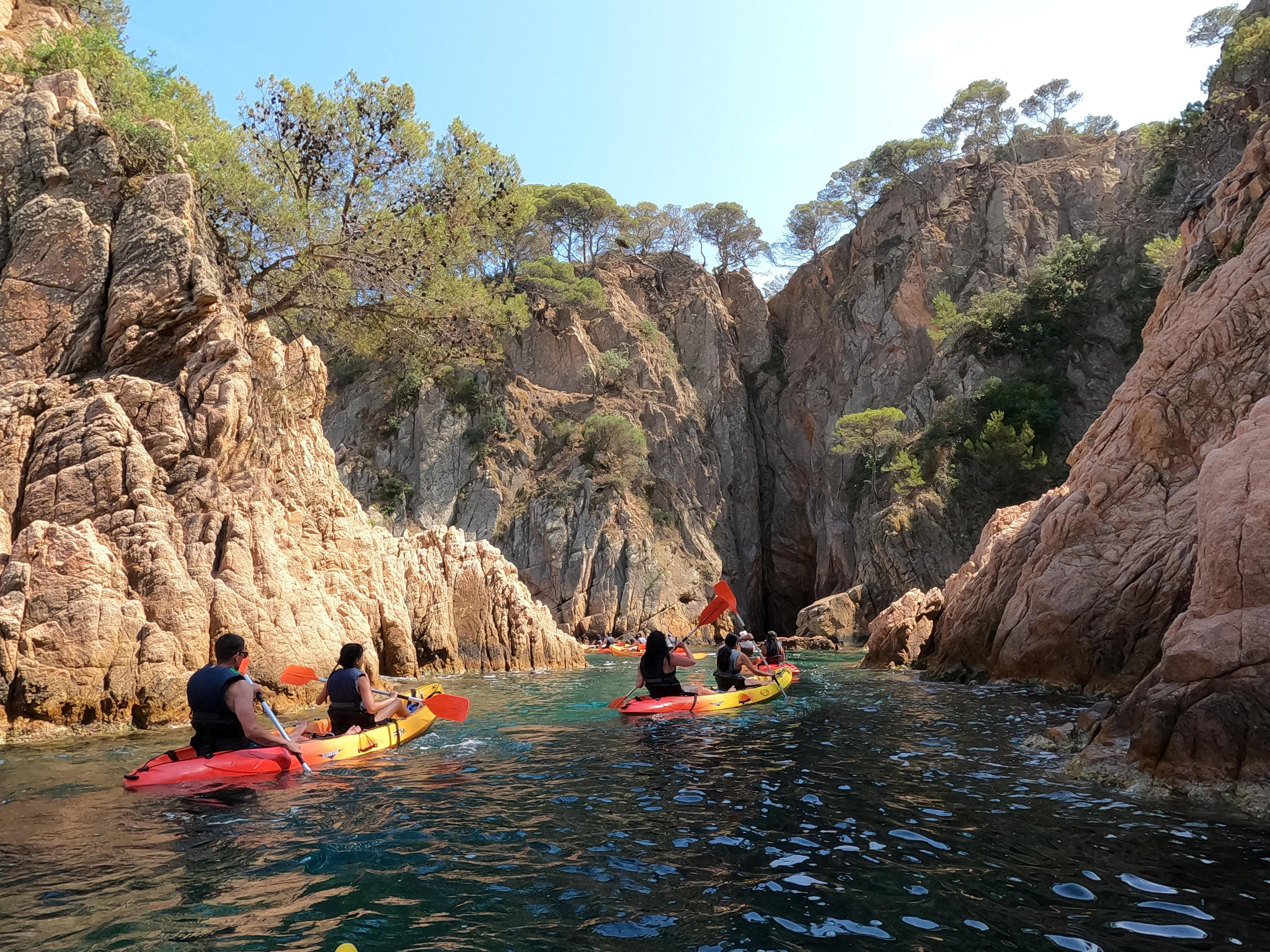
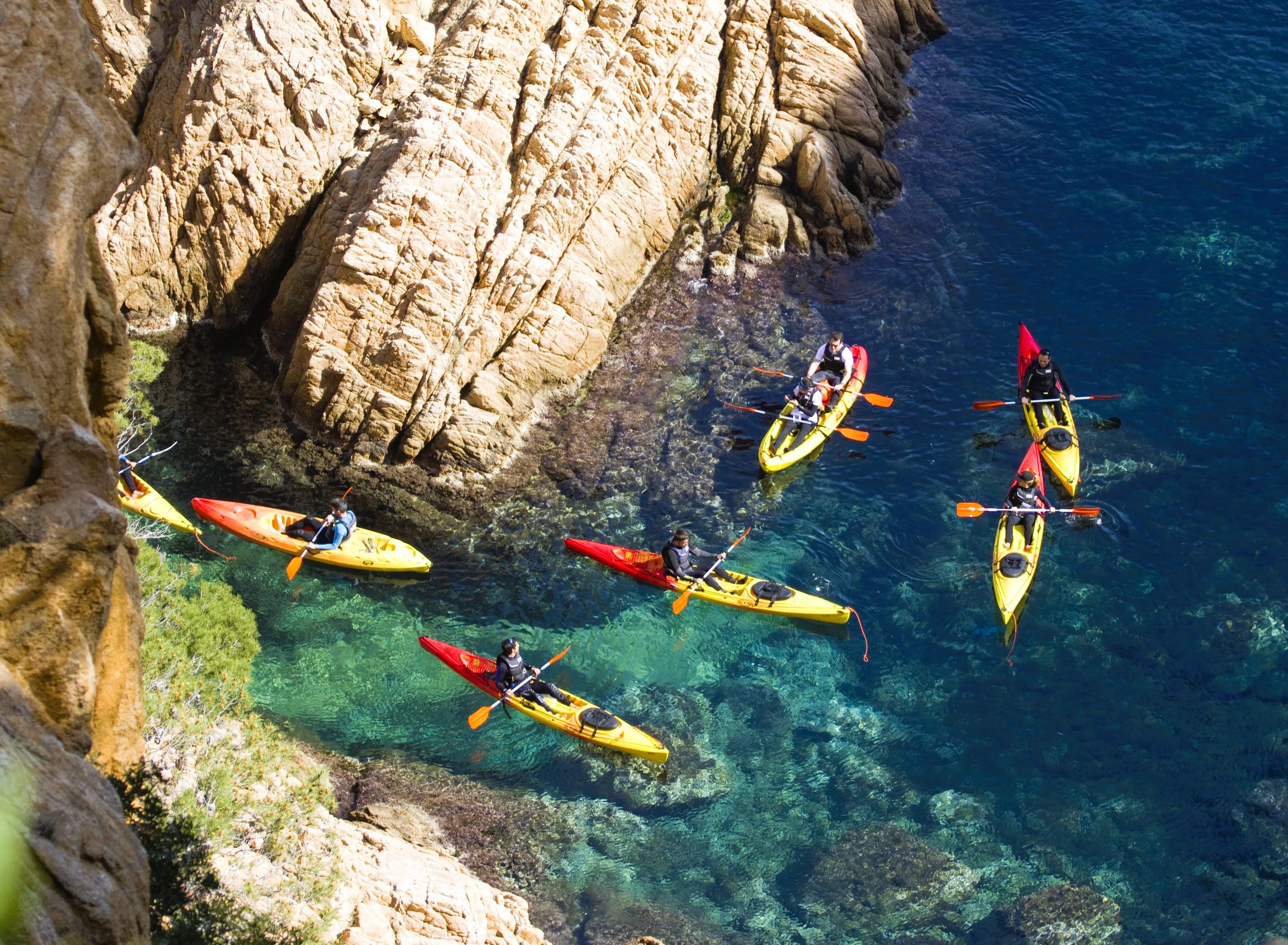
Paddle to secluded coves and sea caves, snorkel in turquoise waters, and unwind on stunning beaches
2 hours
Free Cancellation
Paddle along dramatic cliffs and snorkel in crystal-clear coves on this beginner-friendly guided tour
1 day (9:00 AM - 6:00 PM)
Free Cancellation
Earn your PADI diving credentials in one full day with expert instruction, equipment, and Mediterranean practice dives
1 hour
Free Cancellation
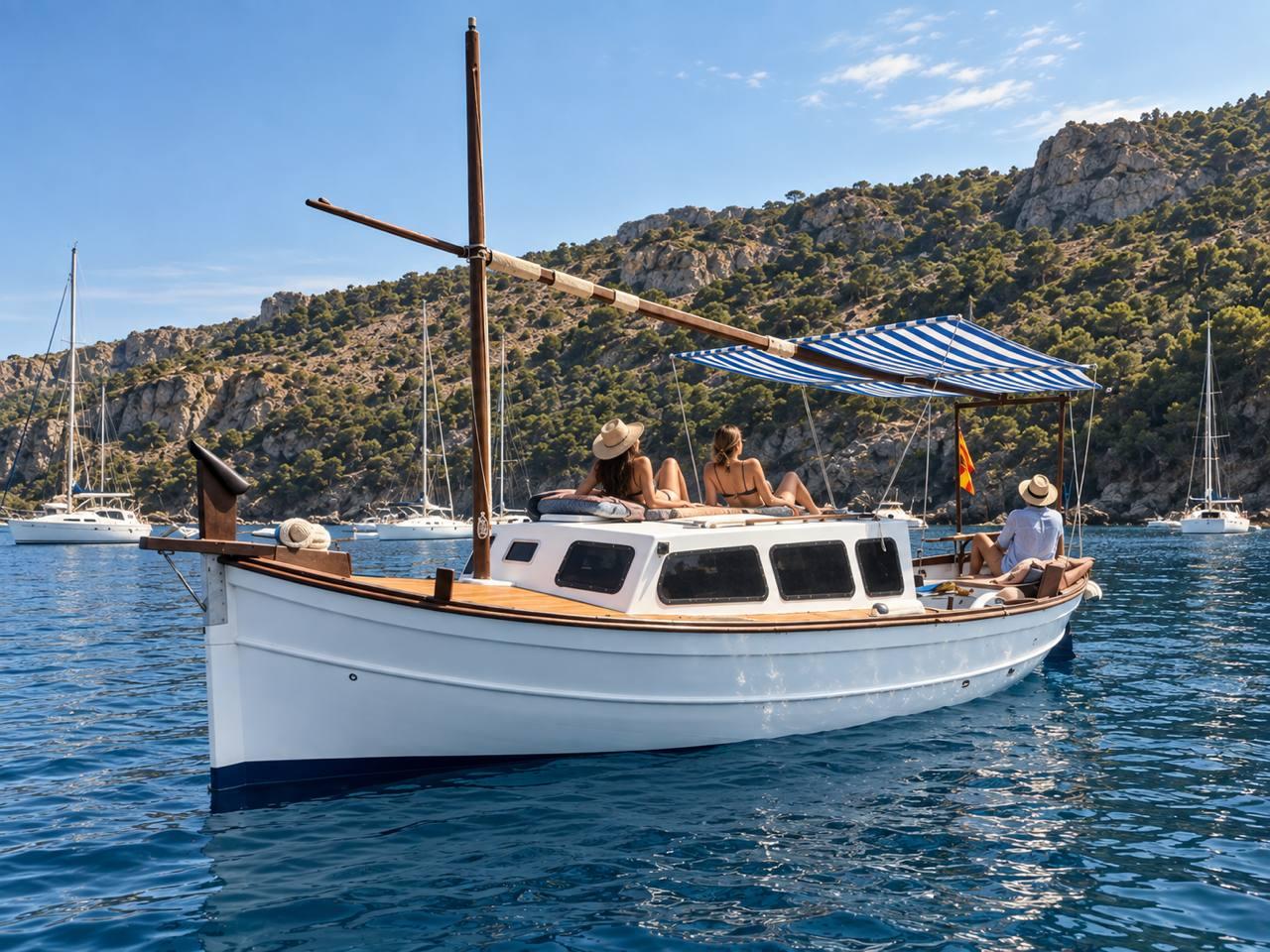
Navigate the Mediterranean on a traditional llaut vessel, discovering secluded coves with paddleboard access
Check-in and equipment fitting
Safety protocols and site details
Guided underwater exploration
Logbook signing and gear rinse
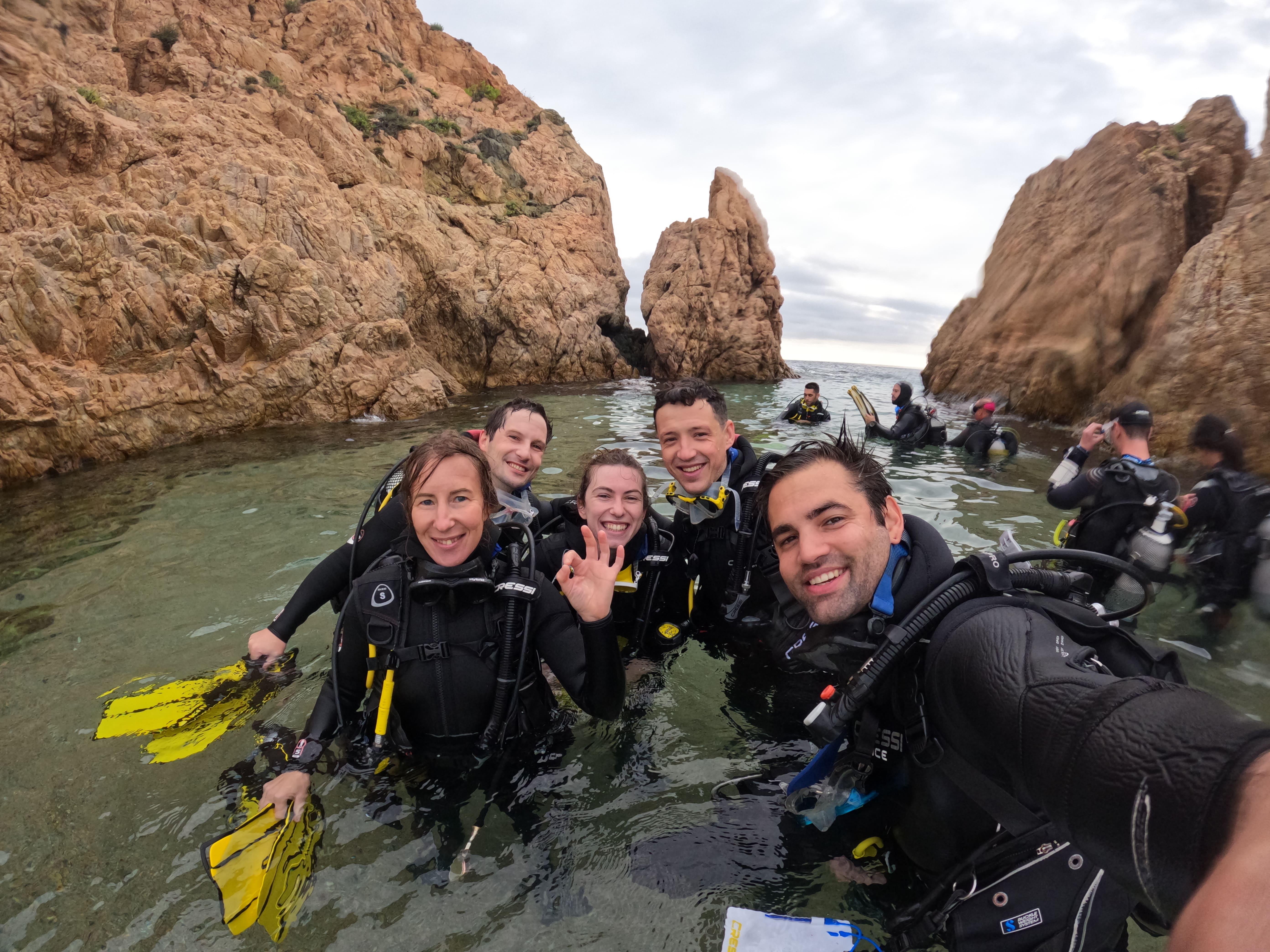
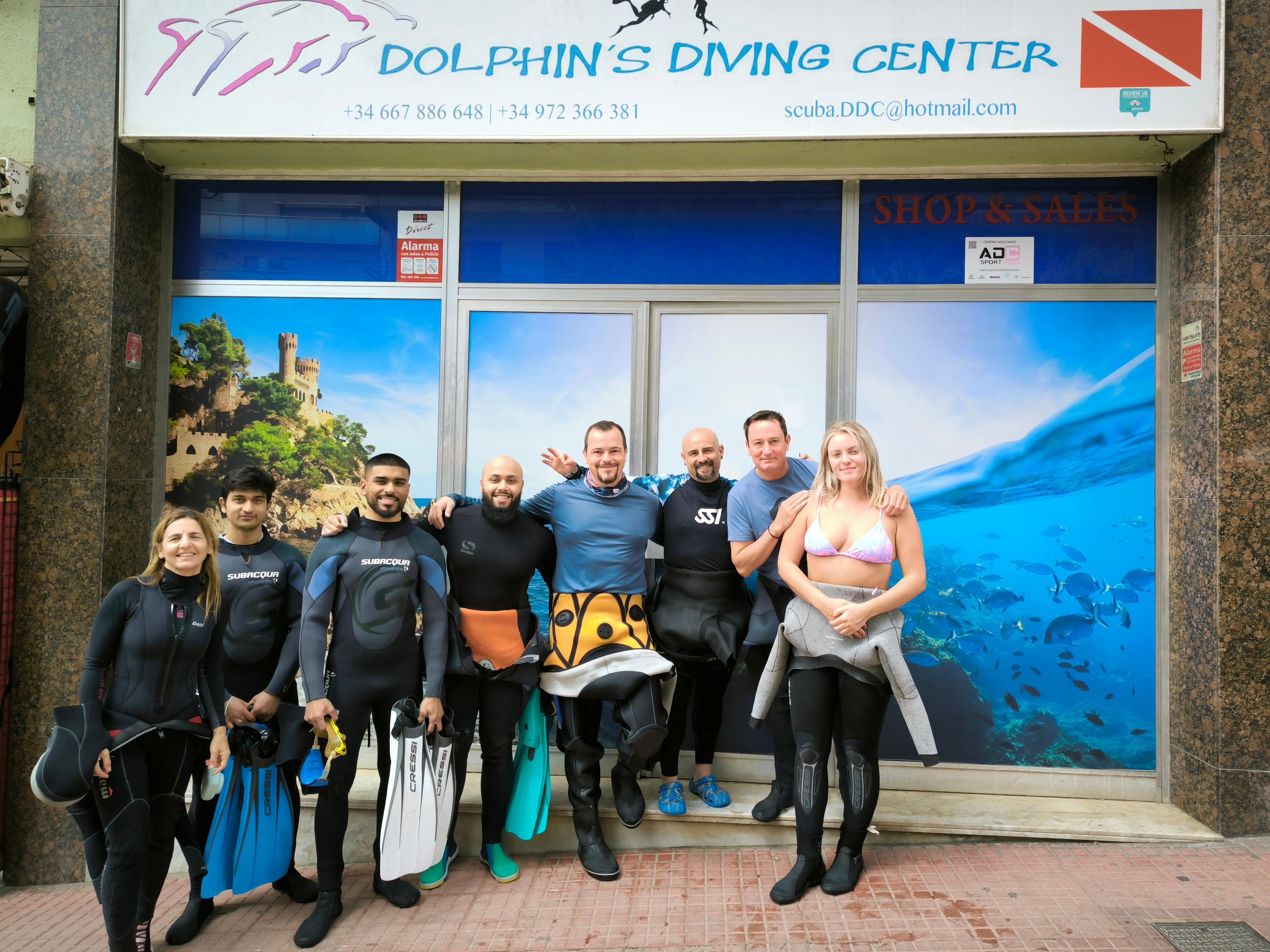
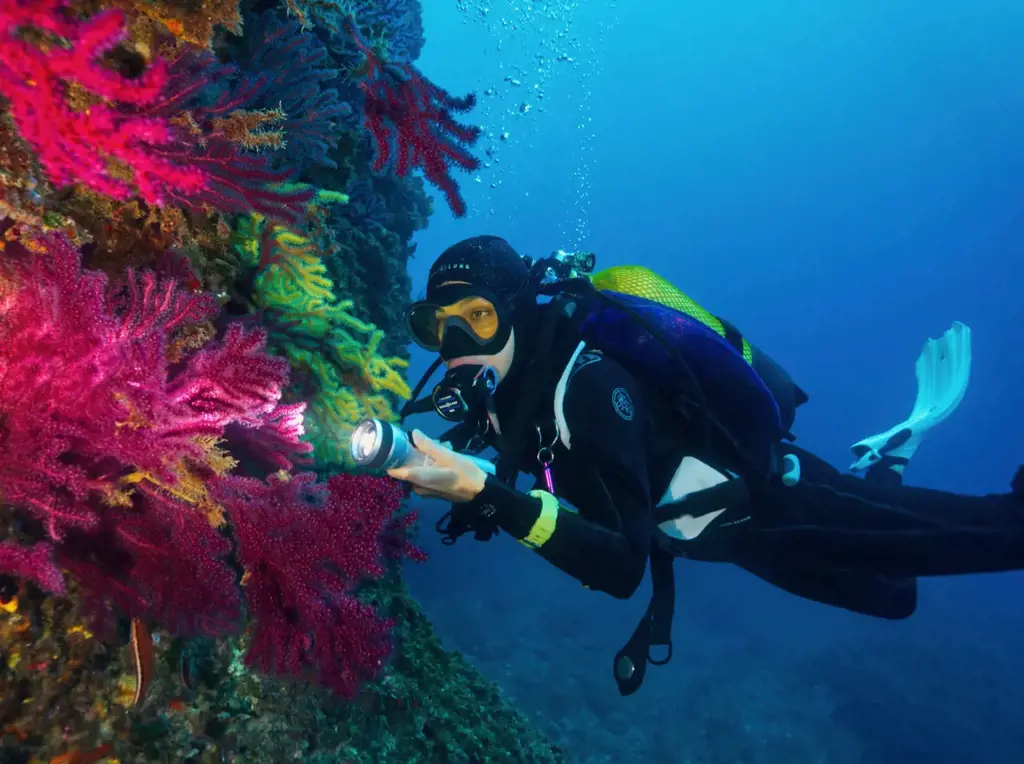
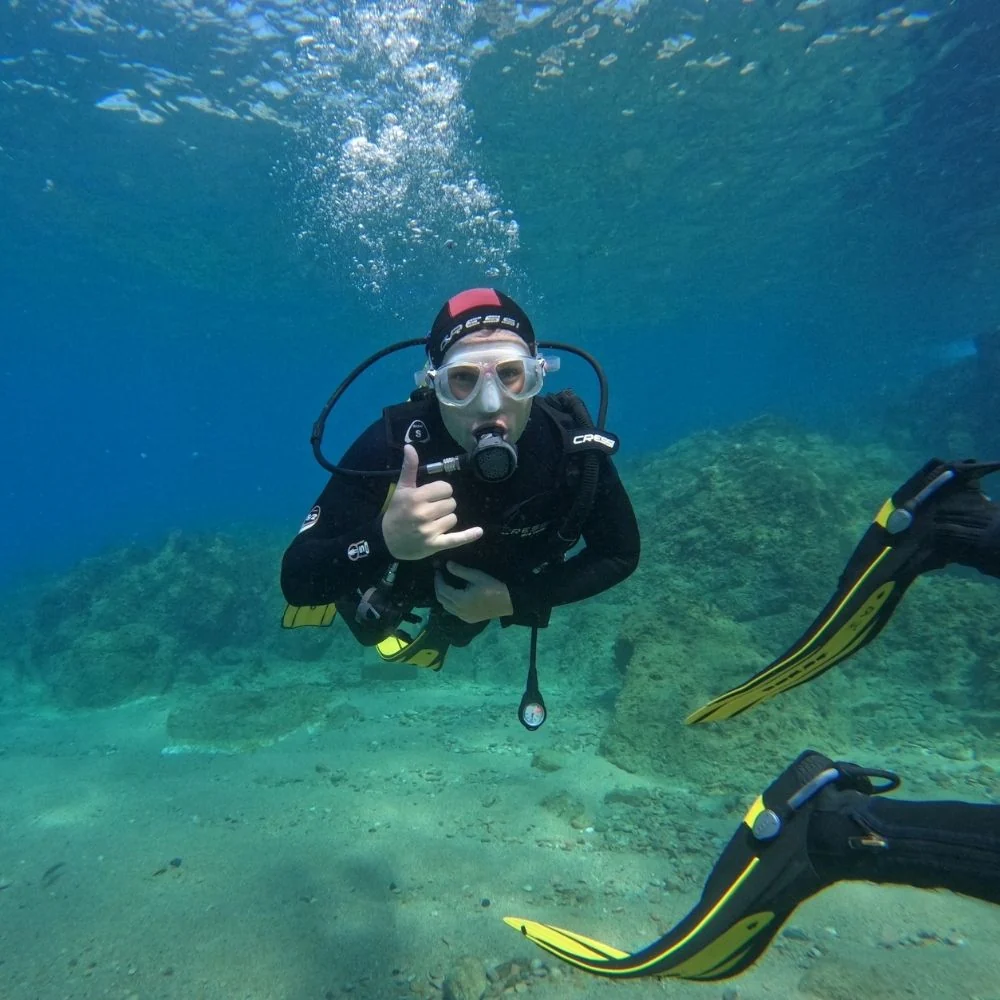
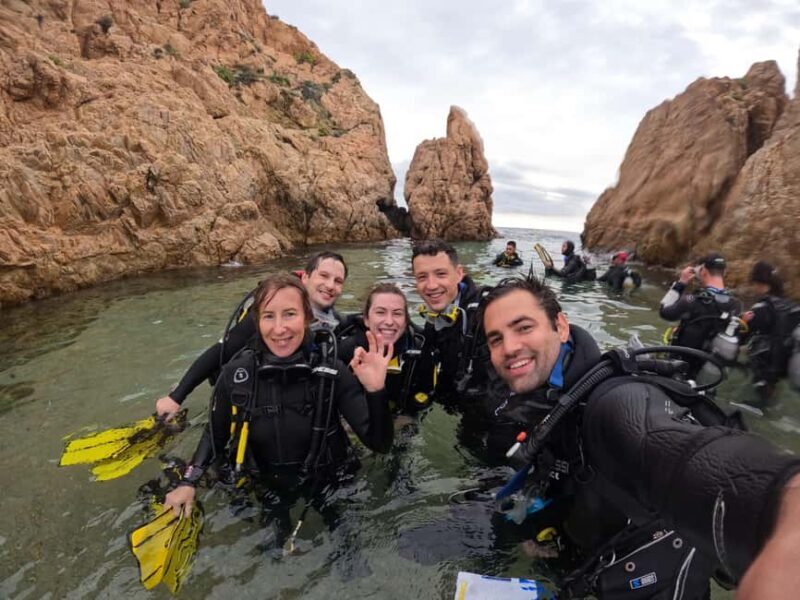
You meet your PADI instructor at the dive center in Tossa de Mar at 9:00, where you complete a medical questionnaire and watch a 15-minute orientation video covering hand signals and equalization technique.
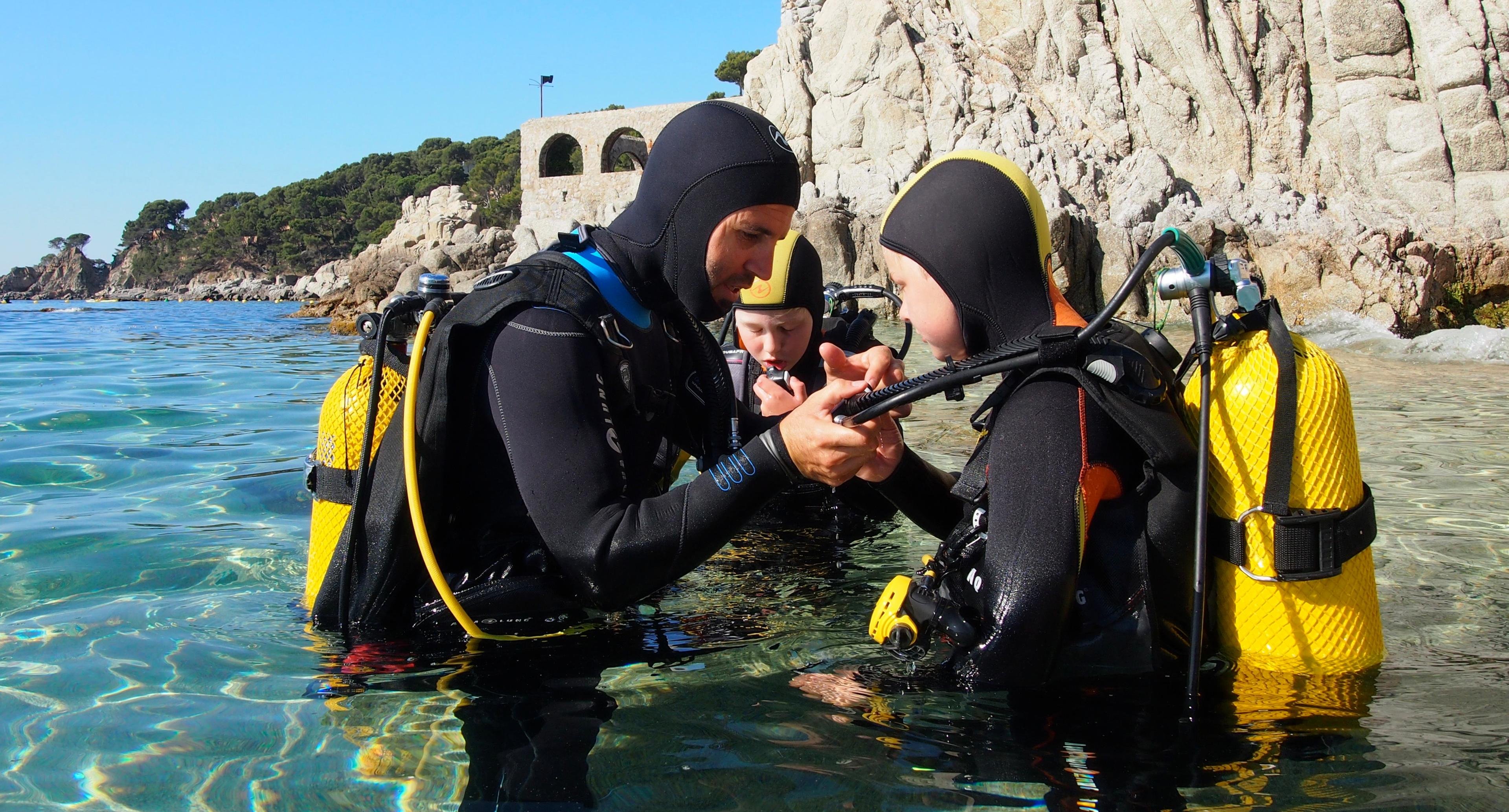
The confined-water session begins in a shallow cove: you kneel in chest-deep water, practice regulator clearing, and remove your mask underwater three times to build comfort. By 10:30 you board a rigid inflatable for the short crossing to a 12-meter reef marked by a permanent mooring buoy.
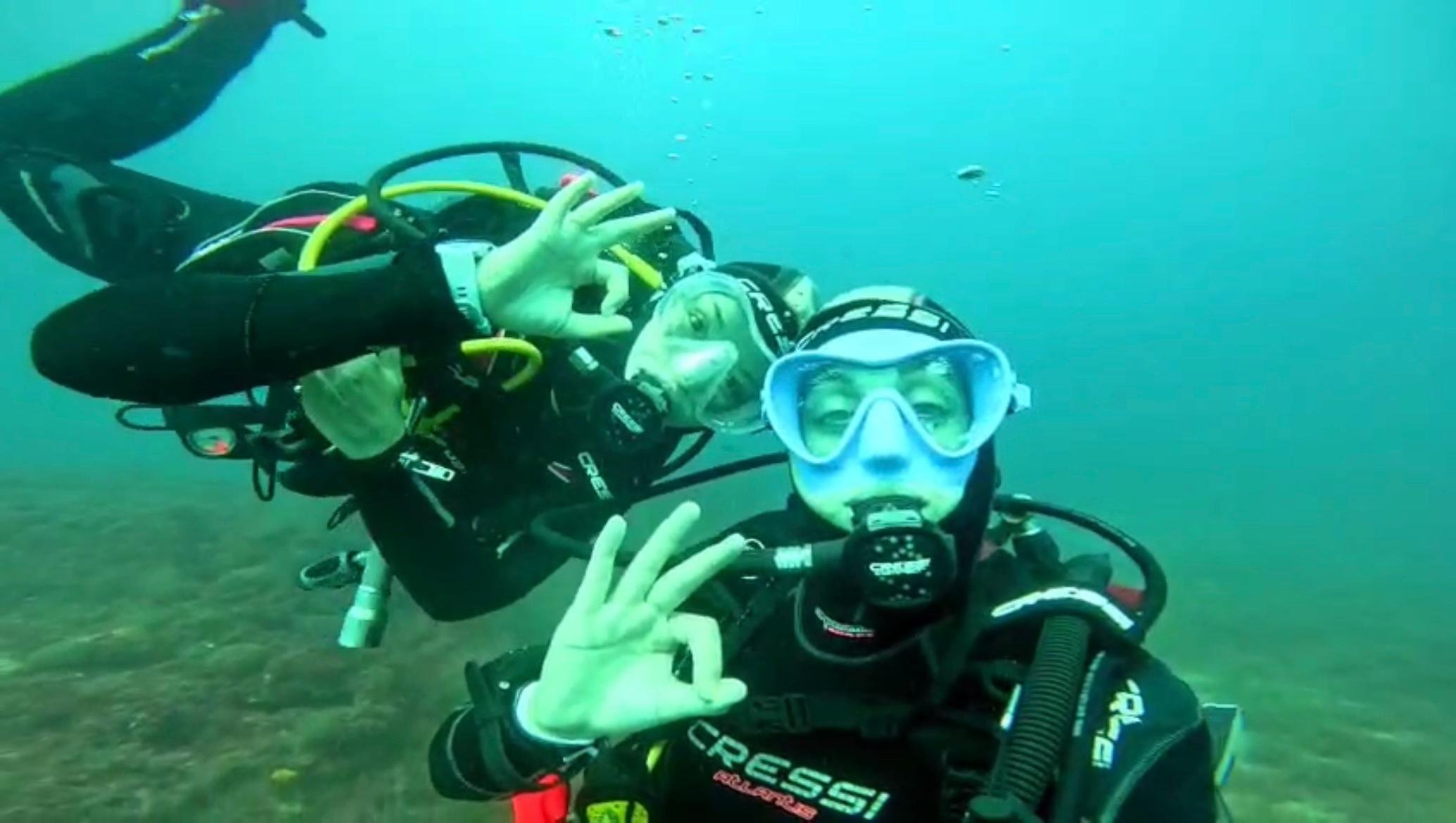
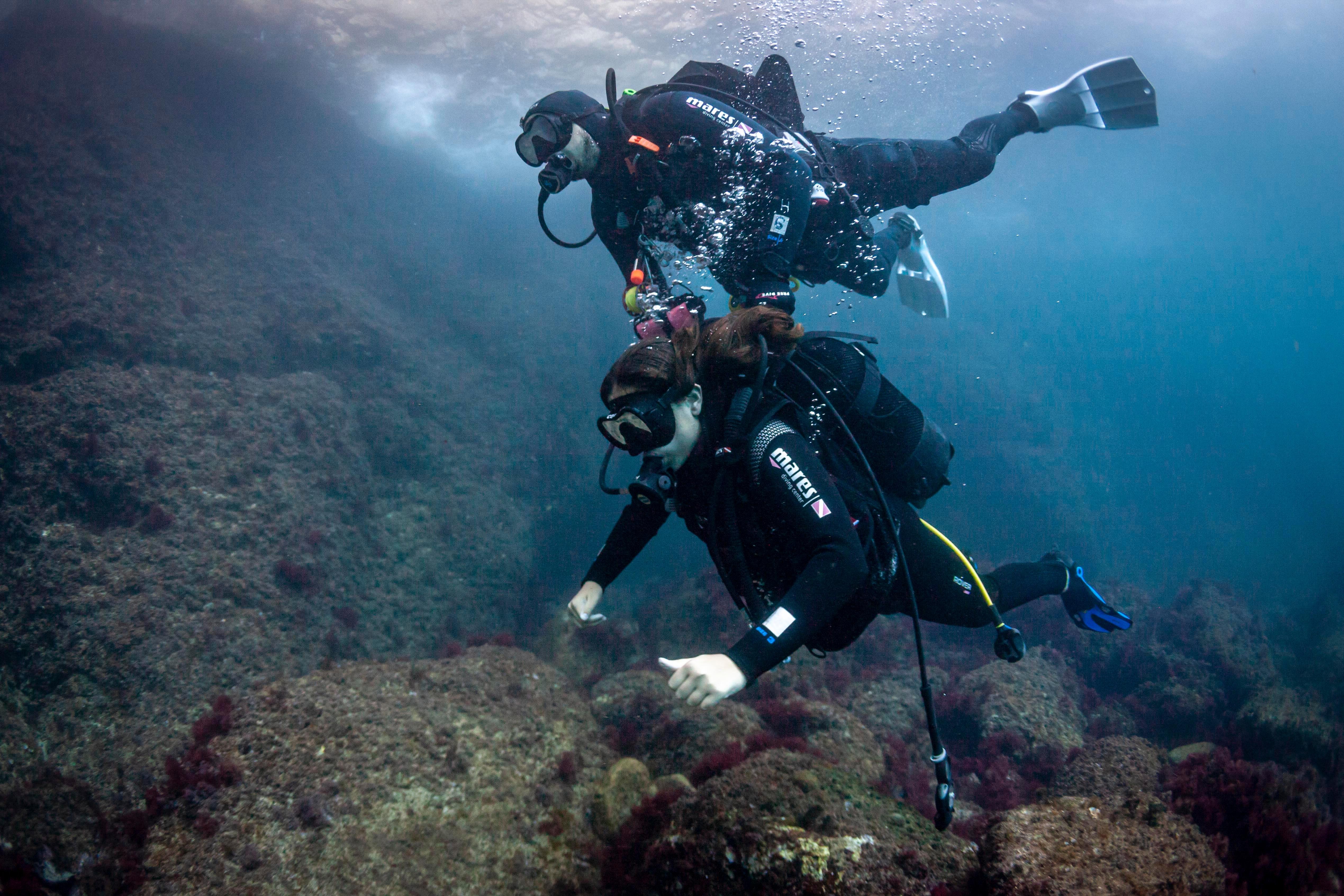
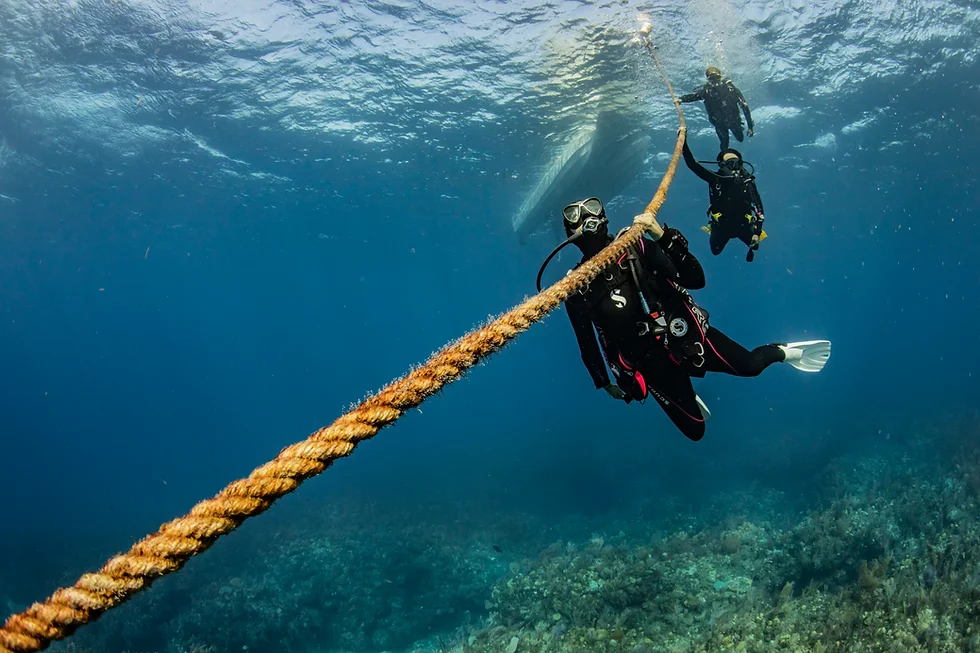
Your instructor signals descent. You deflate your BCD, equalize every meter, and follow the anchor line to a sandy plateau dotted with seagrass. A school of salema porgy parts as you fin toward a boulder field where two octopuses shelter in crevices lined with discarded mussel shells. Your depth gauge reads 11 meters. You hover beside a vertical wall encrusted with orange sponges and practice neutral buoyancy while your instructor photographs your position. At 35 minutes your air reads 80 bar; you ascend slowly, pausing at 5 meters for a safety stop, and surface 40 meters from the boat. Back at the center you review dive logs, and your instructor stamps the first page of your training record.
All the details about your upcoming adventure in one place
The Costa Brava coastline holds more than 200 documented dive sites, many within marine protected zones that restrict fishing and anchor damage.
Visibility averages 15 to 25 meters year-round, a clarity sustained by offshore currents that pull nutrient-rich Atlantic water through the Strait of Gibraltar and up the Catalan shelf. The seabed drops in terraced volcanic rock — remnants of the region's Miocene uplift — creating walls, swim-throughs, and boulder gardens colonized by Mediterranean fan mussels, red coral, and schools of barracuda and grouper.
PADI certification centers in Tossa de Mar, L'Estartit, and Begur have operated since the 1980s, when Catalonia's first marine reserves were gazetted to protect posidonia meadows and rocky reef ecosystems. Open Water courses run daily from April through October, with confined-water skills practiced in sheltered coves before students descend to 12-meter reefs for checkout dives. Discovery dives — single-tank introductions requiring no prior certification — follow the same protected sites but limit depth to 6 meters and pair each participant with a dedicated instructor. The Montgrí, Medes Islands, and Baix Ter Natural Park, established in 1990, remains the most heavily regulated zone: group size is capped at eight divers, and access requires a park permit issued through licensed operators.
Summer water temperature peaks at 24°C in August, dropping to 13°C by February. Most operators close from November through March, though a handful run year-round programs for cold-water training. Equipment is metric-standard, with 12-liter steel tanks, 5mm wetsuits in summer, and 7mm semi-dry suits available for spring and autumn. Dive computers are included in all PADI courses as of 2025 standards. Nitrox fills are available at L'Estartit's hyperbaric facility for certified enriched-air divers seeking extended bottom time on the Medes walls.
Entry to coastal dive sites is free, though boat-based excursions to offshore reefs and the Formigues Islands require marine park fees and vessel permits bundled into operator pricing. Morning departures between 9:00 and 11:00 capture the calmest surface conditions before the afternoon tramontana wind picks up, a pattern documented in 40 years of local weather station data.

Visibility averages 15 to 25 meters year-round, sustained by offshore currents that pull nutrient-rich Atlantic water through the Strait of Gibraltar.
Divers should arrive in comfortable clothing suitable for the season. Wetsuits and all necessary exposure gear are typically provided by the center.
Most centers provide secure lockers or designated areas to store personal belongings during your time underwater. Keep valuables to a minimum when visiting for padi scuba diving costa brava.
Underwater cameras are permitted during your padi scuba diving costa brava tour. Ensure you have the appropriate waterproof housing for your equipment.
Training courses for children are available through various local operators. Ensure young divers meet the age and health requirements for specific padi scuba diving costa brava certifications.
While many boats are equipped for entry, some sites may be challenging for those with limited mobility. Please confirm specific accessibility needs with your operator before purchasing padi scuba diving costa brava tickets.
Drinking water is essential to stay hydrated after dives. Consumption of alcohol is strictly prohibited before and during any scheduled dive activities.
Operating Hours
09:00–19:00
Address
Costa Brava, Catalonia, Spain
Accessibility
Varies by dive center facilities
Best Arrival
09:00–11:00
Storage
Available at most dive centers
Region
Mediterranean coast
Car · 60-90 min · Cost varies by fuel/rental
Rental vehicles offer the most flexibility for reaching remote coastal coves.
Public transport · Varies · Budget-friendly
Regional bus services connect main towns, though dive sites may require a taxi.
Cancellation policies depend on the specific provider booked. Most centers offer full refunds for cancellations made at least 48 hours before your padi scuba diving costa brava tour.
Recommended time
Half a day to full day
For those pursuing certification, padi scuba diving costa brava requires significant time for theory, gear fitting, and surface intervals between underwater sessions. Arriving during the best arrival window of 09:00–11:00 ensures you benefit from calmer Mediterranean waters and optimal visibility. You may consider booking padi scuba diving costa brava tours in advance to secure your spot, while those seeking specific padi scuba diving costa brava tickets for equipment rental should coordinate directly with centers. By planning your day to finish by late afternoon, you avoid the buildup of maritime traffic near popular reef sites.
Crowd levels through the day
Weather · crowds · average price — dots go green to amber to red as each metric rises.
Mild water temperatures and fewer crowds make this an ideal time for training.
Peak season with warmest temperatures but higher demand for padi scuba diving costa brava bookings.
Exceptional visibility and calm water conditions characterize the coast through September.
Water is cooler, requiring thicker exposure protection for those who continue diving.
Always bring your physical or digital PADI card to avoid registration delays.
Secure your spot for padi scuba diving costa brava tours at least two weeks ahead during peak months.
Inspect your equipment thoroughly during the pre-dive briefing for peace of mind.
Ask your instructor about daily visibility reports to choose the best site for your padi scuba diving costa brava session.
The Costa Brava's transformation into a diving destination began in the 1950s when Barcelona-based spearfishers explored the rocky coves north of Blanes. Early enthusiasts like Joan Baptista Cendrós documented rich biodiversity in the Medes Islands marine reserve, then unprotected waters frequented by groupers and octopus. By 1963, the first civilian dive club opened in L'Estartit, offering rudimentary equipment rental and boat access to offshore pinnacles. The arrival of Jacques Cousteau's films in Spanish cinemas sparked widespread interest, yet formal instruction remained scarce until the early 1970s. PADI's expansion into Spain occurred in 1978, when the organization licensed its first training centers along the Mediterranean coast. Dive centers in Tossa de Mar and Roses adopted the Open Water Diver curriculum, replacing ad-hoc apprenticeships with standardized multilingual courses. The 1983 designation of the Medes Islands as a protected marine reserve curtailed commercial fishing and triggered ecosystem recovery; by 1990, biomass had tripled, attracting padi scuba diving costa brava operators who marketed wreck dives and wall descents to northern European tourists. The grounding of the cargo vessel Reggio Messina off Palafrugell in 1991 created an artificial reef that became a signature advanced dive site. Expansion accelerated through the 2000s as budget airlines connected Girona airport to London, Berlin, and Amsterdam. Dive shops introduced enriched-air nitrox training and technical courses for the deeper wrecks scattered from Cap de Creus to Palamós. The 2008 financial crisis temporarily reduced bookings, yet the sector rebounded by targeting certification-seeking divers rather than casual snorkelers. Today over forty PADI-affiliated centers operate year-round, offering padi scuba diving costa brava tours in eight languages, with peak visibility from April through October when thermoclines stabilize and plankton blooms subside.
Barcelona spearfishers document Medes Islands marine life, establishing early dive routes.
L'Estartit opens Costa Brava's first civilian dive club with boat access and equipment rental.
PADI licenses its first Spanish training centers, introducing standardized Open Water courses to Tossa de Mar.
Medes Islands gain protected reserve status, halting commercial fishing and beginning ecosystem recovery.
Cargo ship Reggio Messina sinks off Palafrugell, creating a popular advanced wreck dive site.
Budget airlines and nitrox training expand access, cementing Costa Brava as a certification destination.
Financial crisis temporarily reduces dive tourism before sector pivots to education-focused model.
Forty-plus PADI centers operate year-round, serving multilingual certification-seeking divers.
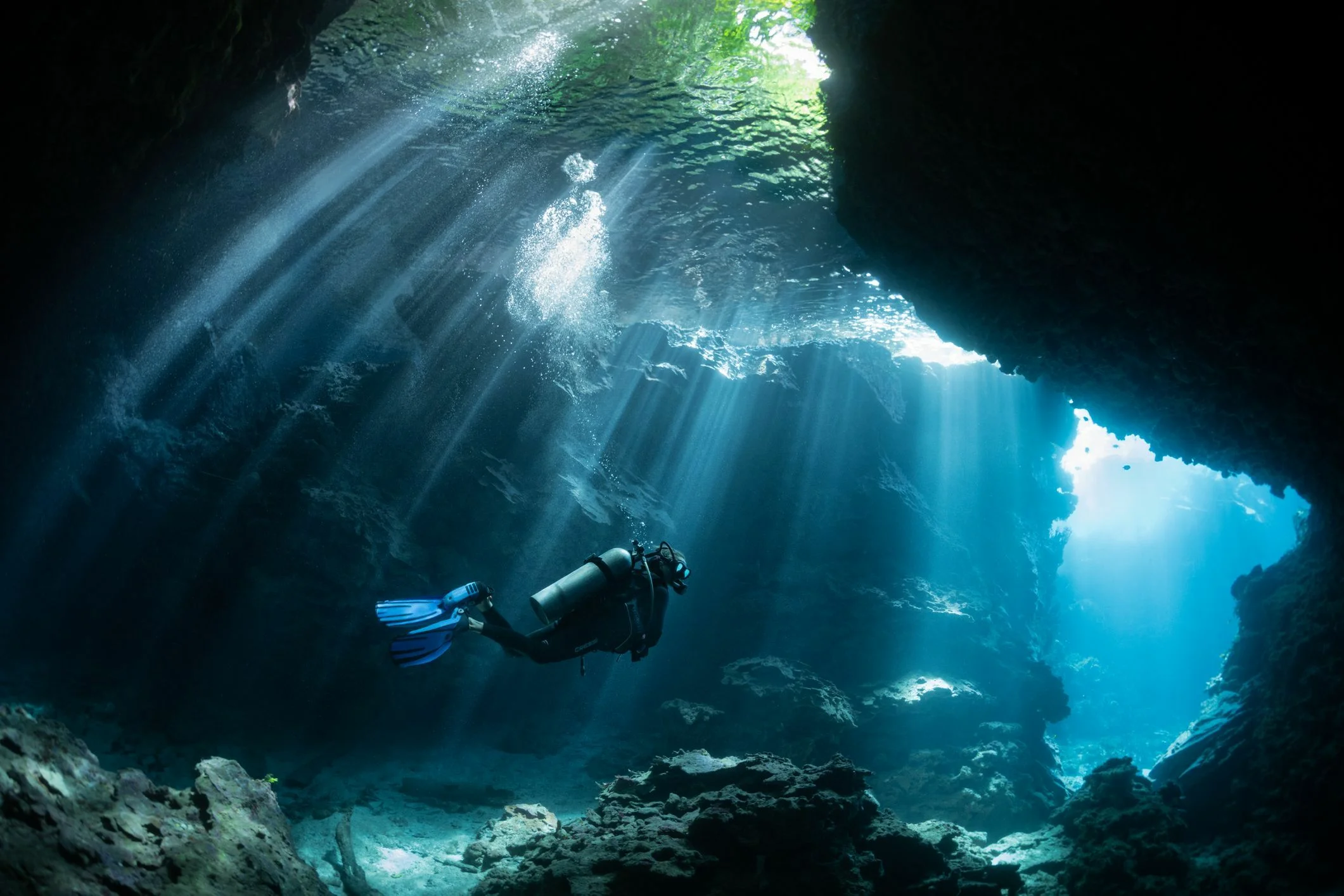
Capture the vibrant marine life and rocky underwater formations from the boat deck before heading into the water. This is a popular location for those pursuing padi scuba diving costa brava and documenting their certification journey.
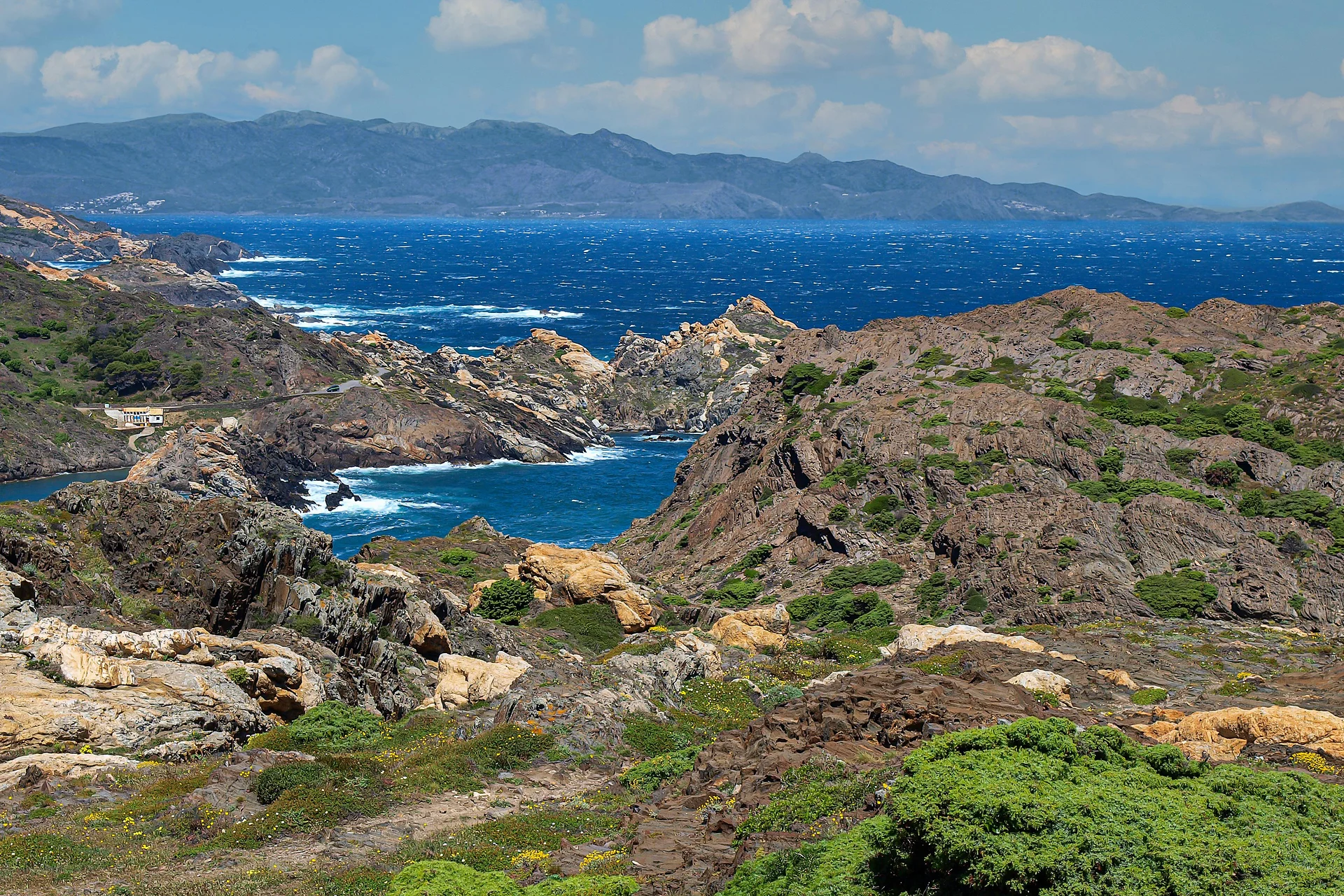
Photograph the dramatic jagged rock formations meeting the Mediterranean Sea from the cliffside trail. These geological features provide a classic background for visitors using padi scuba diving costa brava tours to explore the rugged coastline.
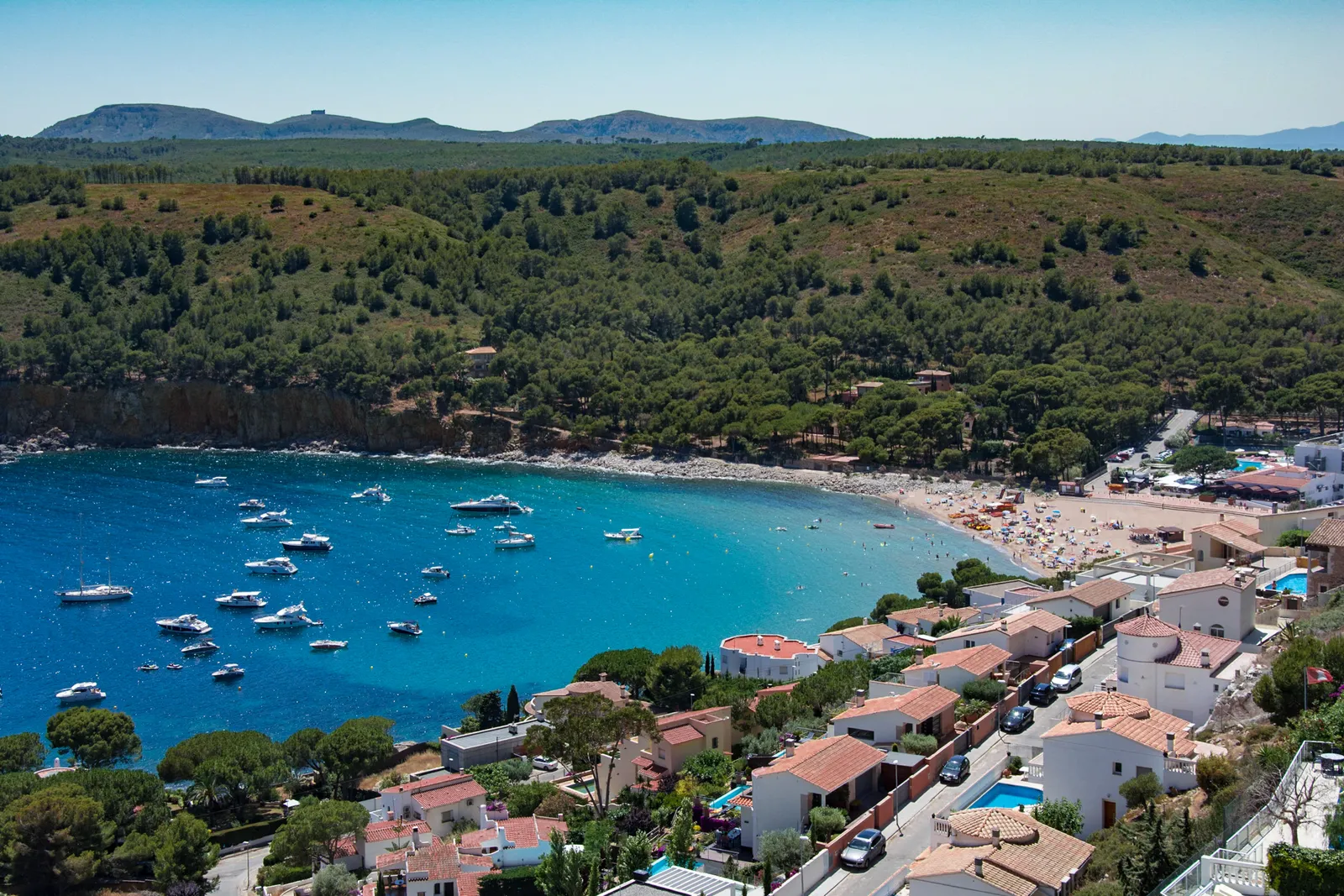
Shoot the turquoise water and sandy shoreline from the cliff path overlooking the bay. It serves as a calm entry point for students finalizing padi scuba diving costa brava tickets or practical assessments.
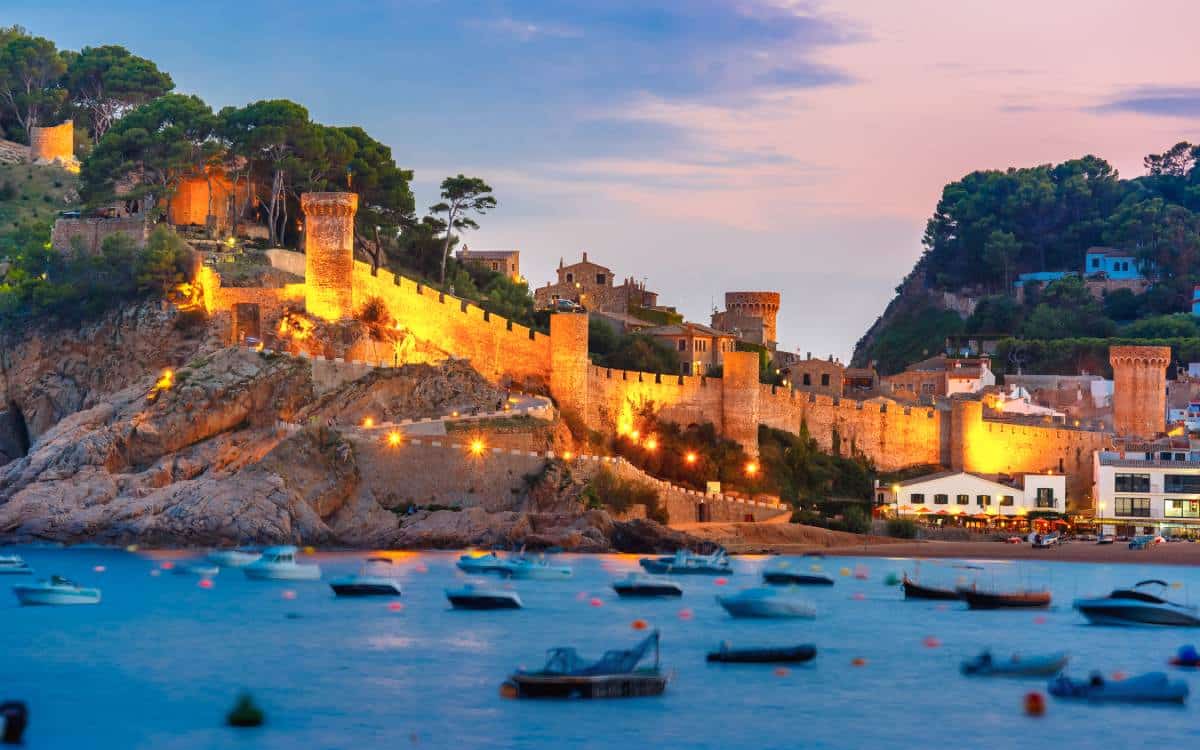
Stand on the fortified stone ramparts to frame the Mediterranean horizon and the coastal coves below. The historic architecture offers a sharp contrast to the blue sea typically seen during a padi scuba diving costa brava tour.
Exploring underwater ecosystems with family is accessible when you organize padi scuba diving costa brava programs that prioritize safety and skill development. These coastal waters provide a clear environment for youth to engage in aquatic education while families enjoy the Mediterranean shoreline.
Children typically begin their journey with a Junior Open Water course starting at age 10, while younger children may participate in shallow bubble-maker sessions. Always verify specific provider age limits before booking your padi scuba diving costa brava tours.
Many dive centers are situated near public beaches, allowing non-diving family members to swim or snorkel while others complete their training. Plan to bring appropriate sun protection and shade gear for those waiting on the surface during padi scuba diving costa brava tickets sessions.
Most dive hubs in the region are located along accessible coastal walkways, though entry into the water may require navigating rocky terrain. Look for centers with onsite rinse stations and secure storage to manage gear for your padi scuba diving costa brava tour.
Keep daily schedules manageable by limiting time in the water to match individual energy levels and instructor recommendations. Consistent hydration and nutritious snacks help younger participants maintain focus during theoretical and practical training modules.
Refueling after your padi scuba diving costa brava experience is easy, as many coastal towns feature Mediterranean eateries steps from the shoreline. While professional PADI scuba diving Costa Brava tours often provide light snacks, you will find several high-quality dining options within a short walk of major dive centers.
Located in Tossa de Mar, this restaurant offers refined local seafood dishes perfect for post-dive recovery. It is a popular choice for those finishing their padi scuba diving costa brava tickets for the day.
Everything you need to know for your journey
Centers are open daily from 09:00–19:00 to assist with inquiries and operations.
Plan to arrive between 09:00–11:00 for the best visibility and calmer conditions before the afternoon winds.
Yes, pre-booking your padi scuba diving costa brava tour is recommended to ensure equipment and boat space are reserved.
Certification depends on PADI standards, typically starting at age 10 for junior levels.
Yes, you are welcome to use your own well-maintained gear, though rental is included in most padi scuba diving costa brava packages.
Operators will provide a full refund or reschedule your booking if weather makes conditions unsafe.
A medical clearance form is required to ensure you are fit for diving activities.
No, photography is encouraged on all padi scuba diving costa brava tours as long as safety protocols are followed.
Dive centers are best accessed by car, providing flexibility to travel along the coast of Catalonia.
Yes, many visitors combine their diving sessions with hiking or visiting historic landmarks in the Costa Brava area.
A dramatic rocky peninsula with unique geological formations and hiking paths.
Protected marine reserve offering some of the best biodiversity in the region.
A medieval fortification overlooking the sea with panoramic coastal views.
A cliffside garden featuring diverse plant species and Mediterranean vistas.
Family-oriented stay near the beach.
Charming properties set in historic village surroundings.
Practical units for extended dive trips.
Join thousands of happy travelers who have discovered this incredible experience
Book Your Experience Now