

Quick answer
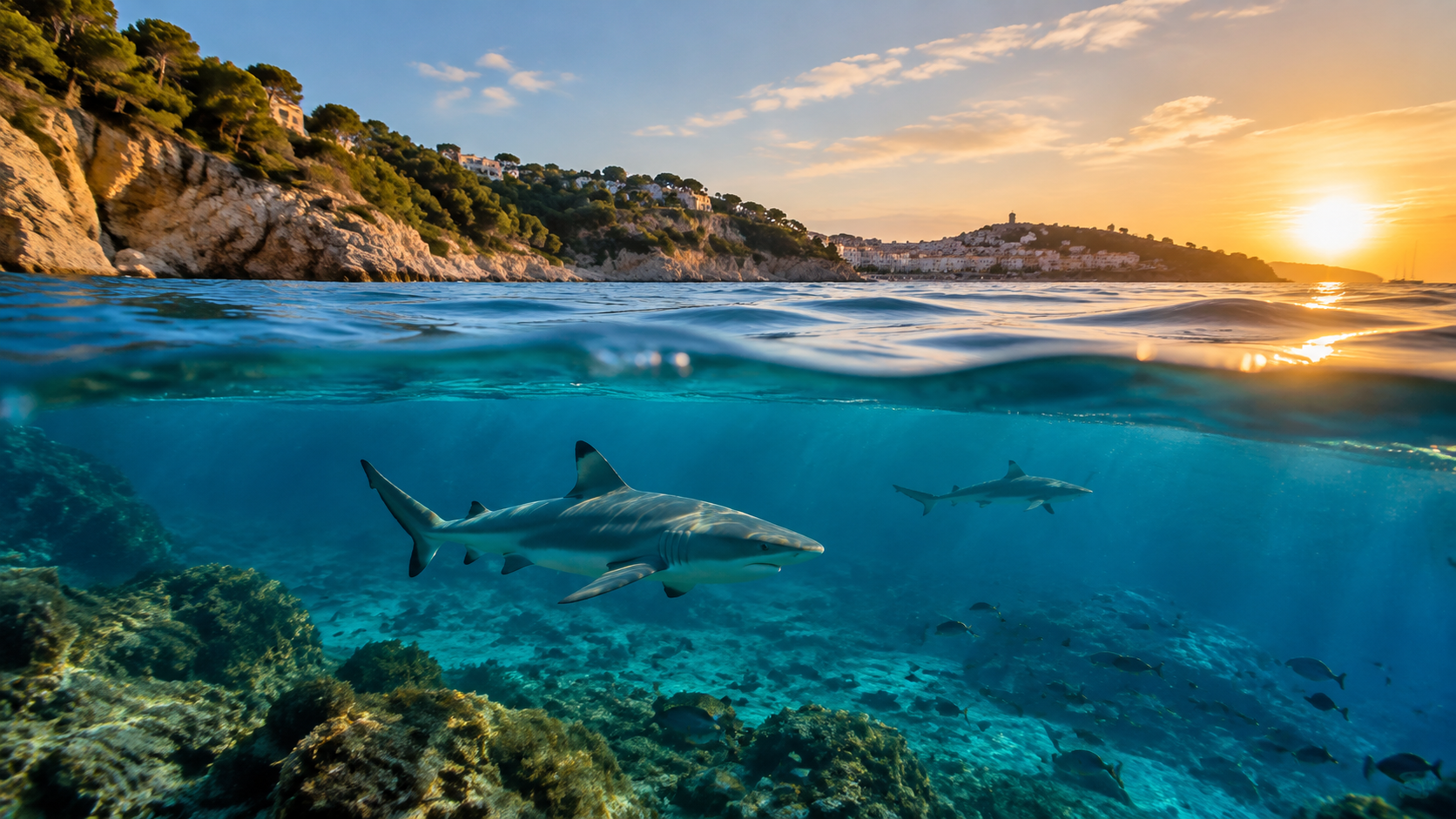
Yes, there are sharks in Costa Brava, but encounters are extremely rare and attacks virtually nonexistent. The Mediterranean waters off the Catalan coast are home to blue sharks, small-spotted catsharks, and occasionally smooth-hound sharks. These species prefer deeper offshore waters and pose no meaningful threat to swimmers or divers. Documented encounters occur primarily in open water beyond typical recreational diving zones, with coastal sightings reported less than once per year across the entire Costa Brava region.
The Mediterranean basin supports approximately 47 shark species, yet only a handful venture near Costa Brava's rocky coastline with any regularity. Blue sharks patrol the deep waters beyond the continental shelf, typically 20 to 50 kilometers offshore where surface temperatures drop and currents carry abundant prey. Small-spotted catsharks occupy rocky bottoms between 20 and 60 meters, though their diminutive size and nocturnal habits make daytime sightings uncommon even among technical divers exploring Begur's deeper sites. The question of whether there are sharks in Costa Brava often arises from Mediterranean-wide discussions rather than local incident history. Catalonia's marine research institutes have tracked zero confirmed shark attacks on humans in Costa Brava waters throughout recorded history. The species present feed primarily on small fish, cephalopods, and crustaceans. Blue sharks, the largest species encountered, reach two meters but exhibit cautious behavior around divers, typically maintaining distance or departing when approached. Smooth-hound sharks appear sporadically in spring months near L'Estartit and Palamós, drawn by spawning fish populations in the coastal transition zones. Recreational divers exploring sites around the Medes Islands, Tossa de Mar, and Cap de Creus focus their attention on groupers, octopuses, and nudibranchs rather than shark encounters. The region's biodiversity centers on rocky reef ecosystems where visibility and moderate depths create optimal conditions for observing sedentary and territorial species. Shark habitats overlap minimally with these popular dive zones, as the species present prefer open water hunting grounds or deeper substrate. Coastal swimmers face no practical shark risk in Costa Brava. The shallow, warmer nearshore waters hold little appeal for Mediterranean shark species, which favor cooler offshore zones with deeper vertical structure. Local dive centers and marine authorities maintain that standard ocean safety practices—avoiding dawn and dusk swims, staying in groups, and respecting marine life—address the negligible statistical presence of sharks alongside more common concerns like currents and boat traffic.
“Catalonia's marine research institutes have tracked zero confirmed shark attacks on humans in Costa Brava waters throughout recorded history.”
Understanding Marine Life: Are There Sharks in Costa Brava?
While the Mediterranean Sea is home to approximately 50 shark species, encountering one in the coastal waters of the Costa Brava remains an extremely rare event. Most recorded sightings involve solitary individuals that are typically far from shore and do not interact with divers or swimmers.
Mediterranean shark diversity
The Mediterranean Sea hosts nearly 50 shark species, though many are deep-sea dwellers or highly migratory and rarely approach the coast.
Extremely rare sightings
Shark sightings near the Costa Brava are infrequent, usually occurring when an individual is disoriented, sick, or following prey like schools of fish.
Blue shark behavior
The blue shark is one of the more common species in Spanish waters, yet they generally avoid human contact and prefer deeper, open-ocean environments.
Precautionary measures
When a shark is spotted near a beach, local authorities may temporarily close the water as a standard safety precaution until the animal moves on.
Scientific research
Researchers emphasize that the presence of sharks is a positive sign of a healthy marine ecosystem, even as many species face significant threats from overfishing.
Harmless coastal species
Most sharks found near the Spanish coast, such as small-spotted catsharks or smooth-hounds, are shy, bottom-dwelling creatures that pose no danger to humans.
Low interaction risk
Despite their presence in the wider Mediterranean, documented shark-related incidents in the region are virtually non-existent, making the waters safe for typical recreational diving.
When Is the Best Time to Visit if You Are Concerned About Are There Sharks in Costa Brava?
The Costa Brava is a natural marine environment accessible 24 hours a day, meaning there is no seasonal or daily pattern that influences the presence of sharks. Since sightings are extremely rare and occur randomly in open waters, timing your visit does not impact your safety regarding this concern.
Summer (June–August)
High volume of beach visitorsWarm waters, 22°C to 26°C
Peak tourism occurs during these months, though shark presence remains unrelated to human activity patterns.
Spring (March–May)
Moderate levels of visitorsMild temperatures, 14°C to 20°C
This period offers quieter beaches and cooler water temperatures before the primary summer season begins.
Autumn (September–November)
Low to moderate levelsCooling waters, 16°C to 22°C
Activity levels decrease significantly, providing a calm environment for those who prefer fewer crowds.
Weekday mornings
Minimal crowds—
Visiting during early hours provides the most solitude, regardless of the negligible risk of encountering marine wildlife.
Verdict: Because shark sightings are not tied to specific times or seasons, the best time to visit depends on your preference for weather and crowd density rather than shark avoidance.
Official Access Hours for Sites Where Are There Sharks in Costa Brava?
The Mediterranean coastline of the Costa Brava is a natural marine environment and remains accessible at all times. There are no gated entrances or regulated operating hours for these open waters.
| Monday | Closed | Natural coastline |
|---|---|---|
| Tuesday | Closed | Natural coastline |
| Wednesday | Closed | Natural coastline |
| Thursday | Closed | Natural coastline |
| Friday | Closed | Natural coastline |
| Saturday | Closed | Natural coastline |
| Sunday | Closed | Natural coastline |
Safe Diving Destinations Near Where Are There Sharks in Costa Brava?
Focusing on established marine reserves shifts the experience toward protected biodiversity and structured diving environments. These locations provide reliable underwater visibility and rich ecosystems that complement a visit to the Costa Brava coastline.
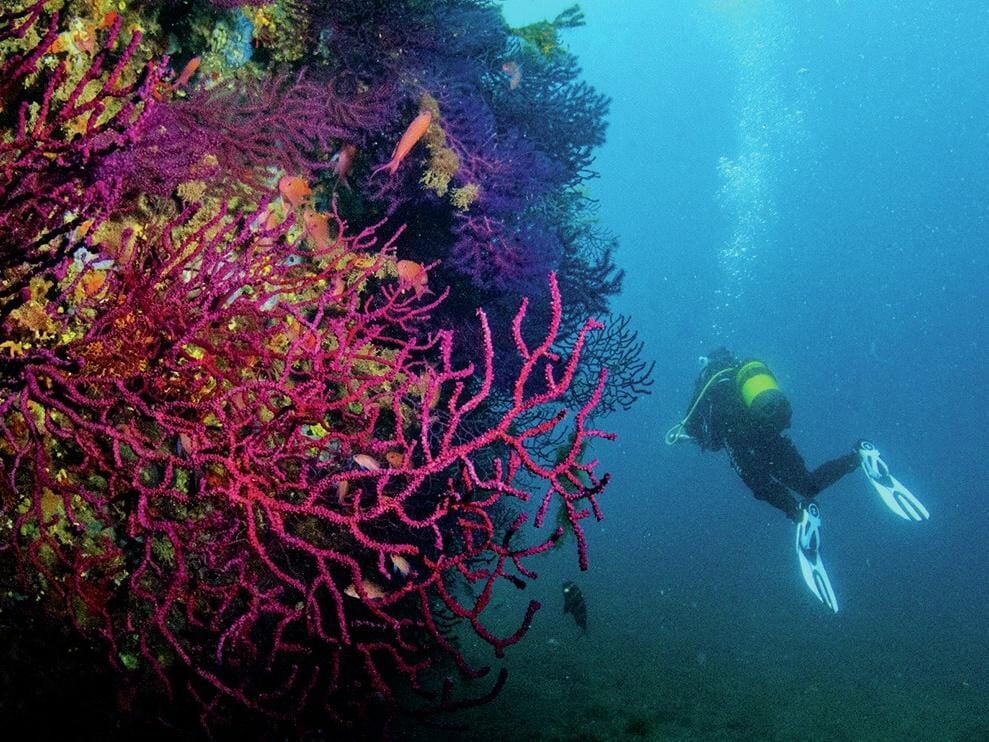
Medes Islands Marine Reserve
This protected archipelago offers some of the most diverse Mediterranean marine life, making it the primary destination for local scuba diving.
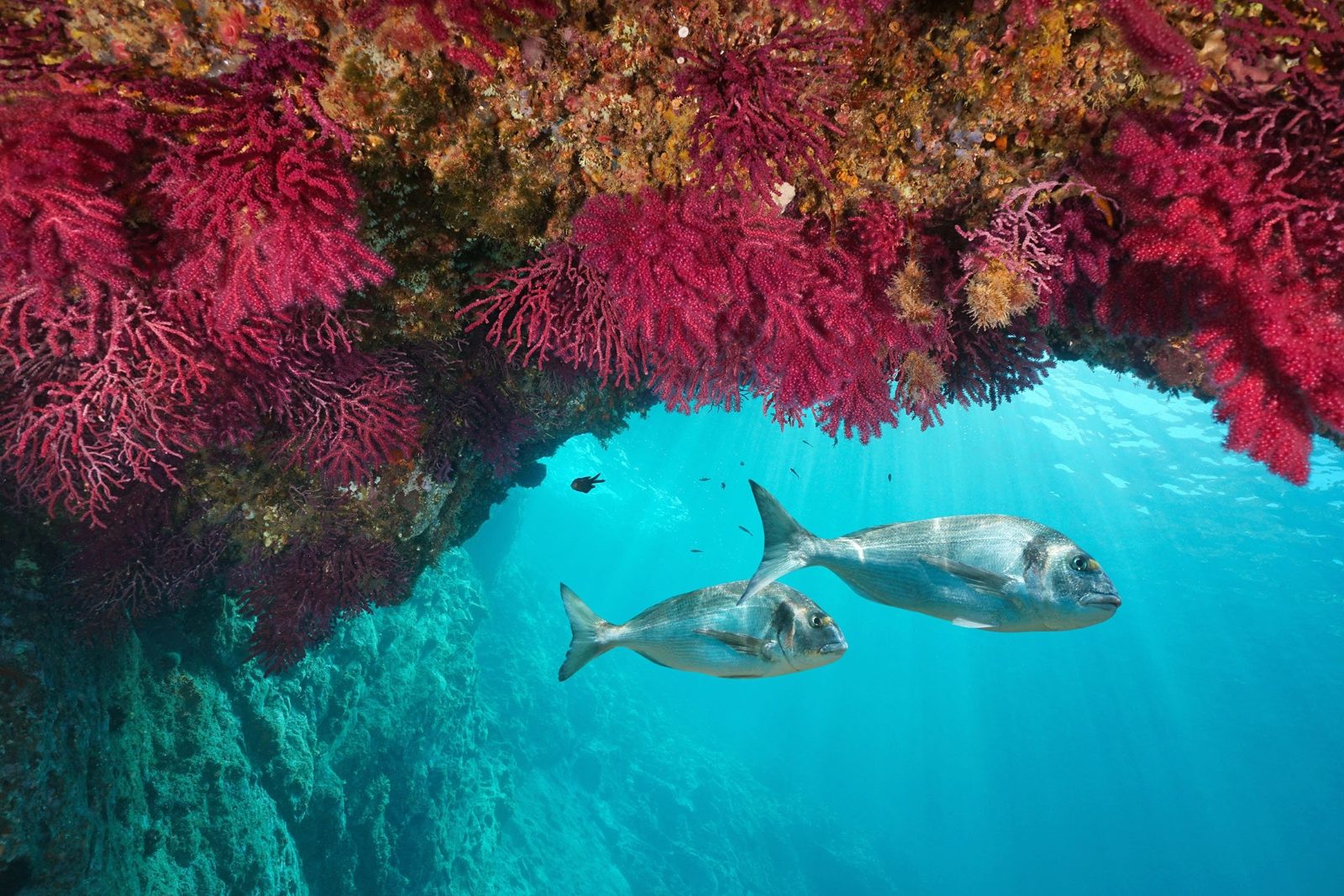
Cap de Creus Natural Park
Known for its rugged geological formations, this park offers sheltered coves that are ideal for calm, controlled underwater exploration.
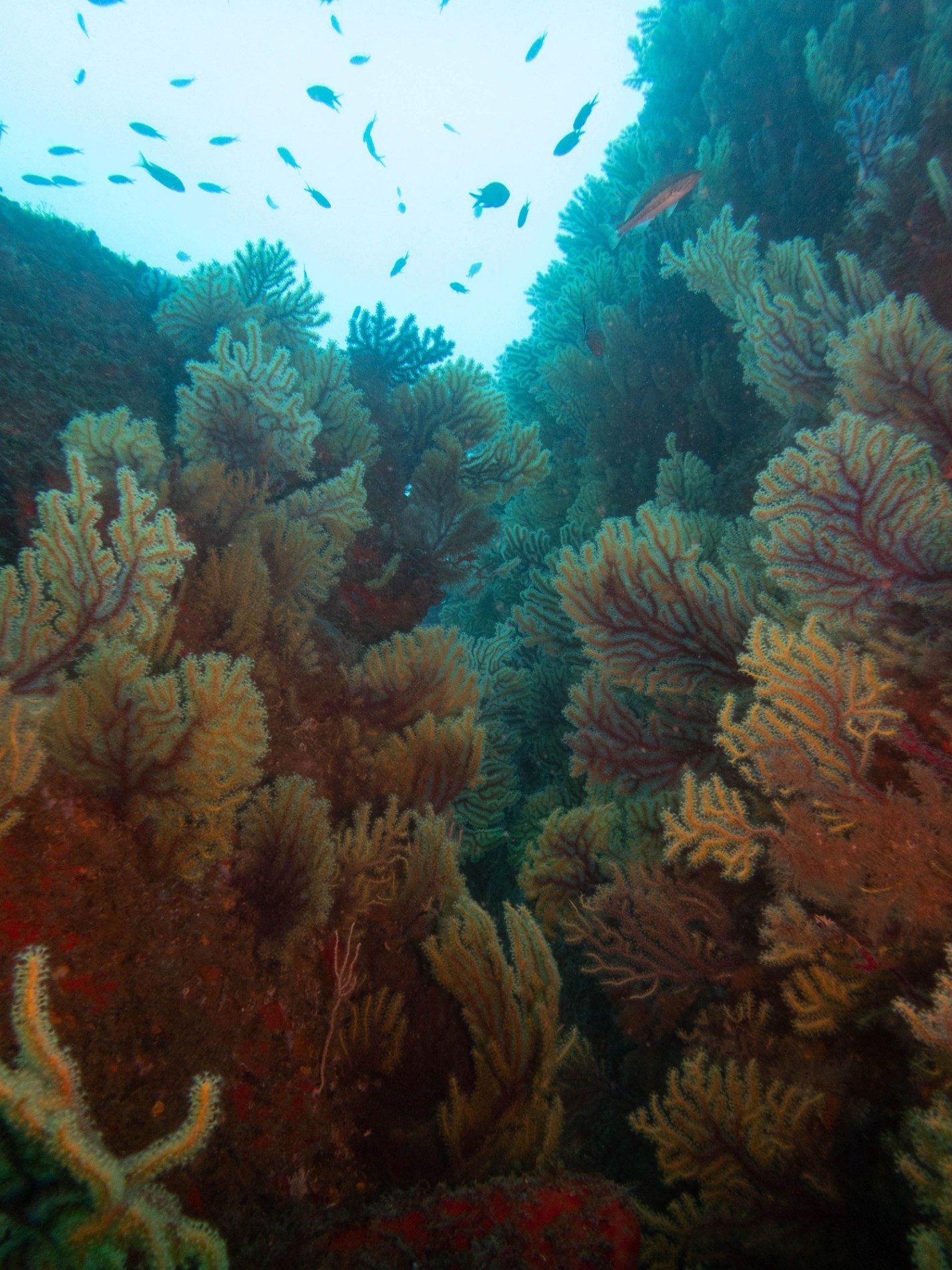
Formigues Islands
These small islands provide a quieter alternative for divers interested in exploring granite rock formations and local sea grass meadows.
Check availability
Frequently Asked Questions About Sharks in Costa Brava
Everything you need to know about are there sharks in costa brava