2 hr 30 min
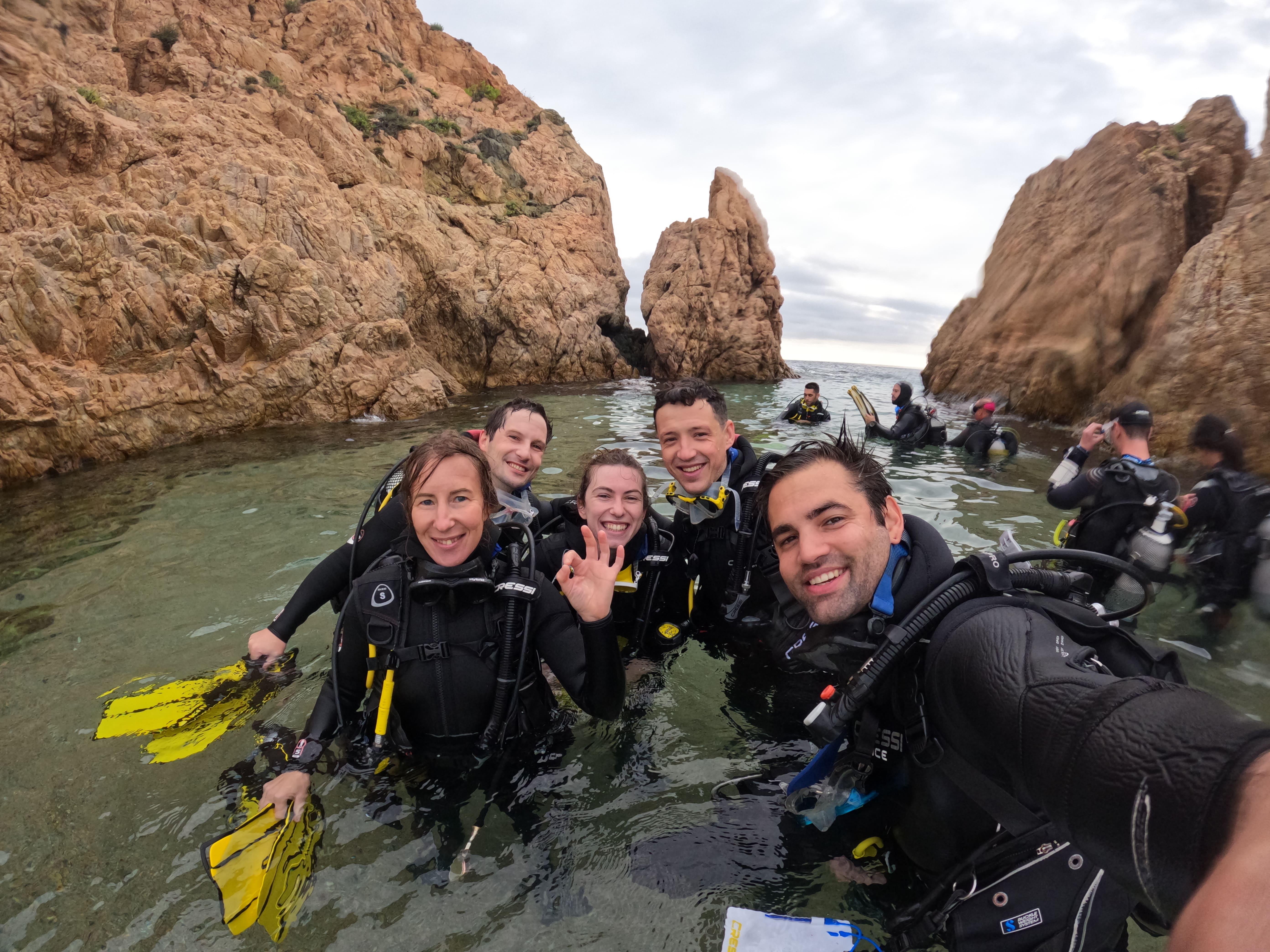
Beginner Scuba Diving Experience in Costa Brava
- Entry ticket
- Mobile voucher
- Valid same day
- Free cancellation
Scuba Diving Costa Brava — Marine Reserves & Cave Dives
Protected reefs and rock tunnels, visible below the surface year-round
Compare fares, pick the fit — all bookings are mobile-voucher and eligible for free cancellation where shown.
2 hr 30 min
8 hr
2 hr
| Experience | Duration | Rating | Transfers | Guide | Small group | Free cancel. | Price | |
|---|---|---|---|---|---|---|---|---|
|
Standard Entry
Most popular
Beginner Scuba Diving Experience in Costa Brava
|
2 hr 30 min | ★ 4.8 | — | — | — | ✓ | €75 | Book → |
|
Guided Experience
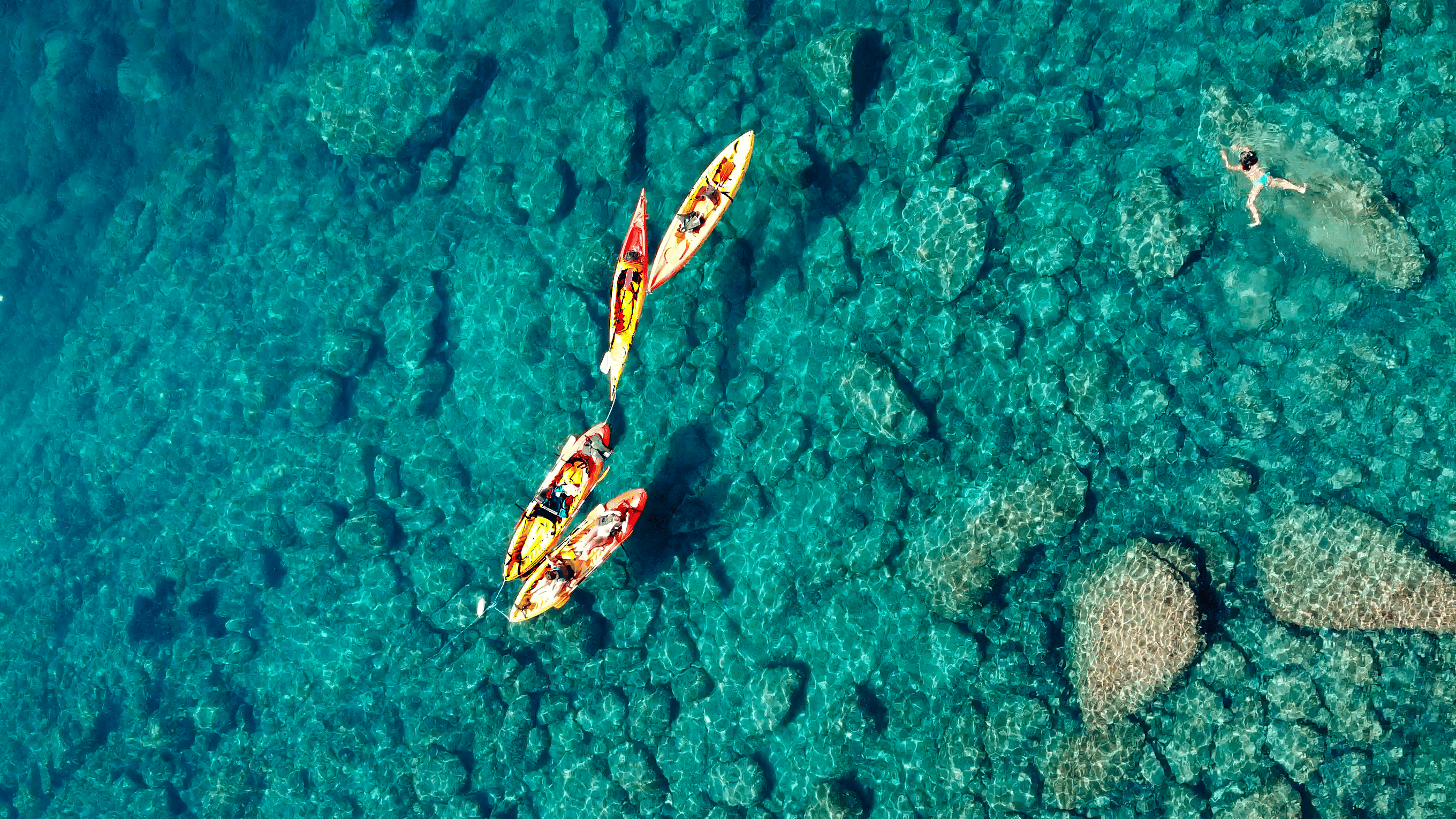
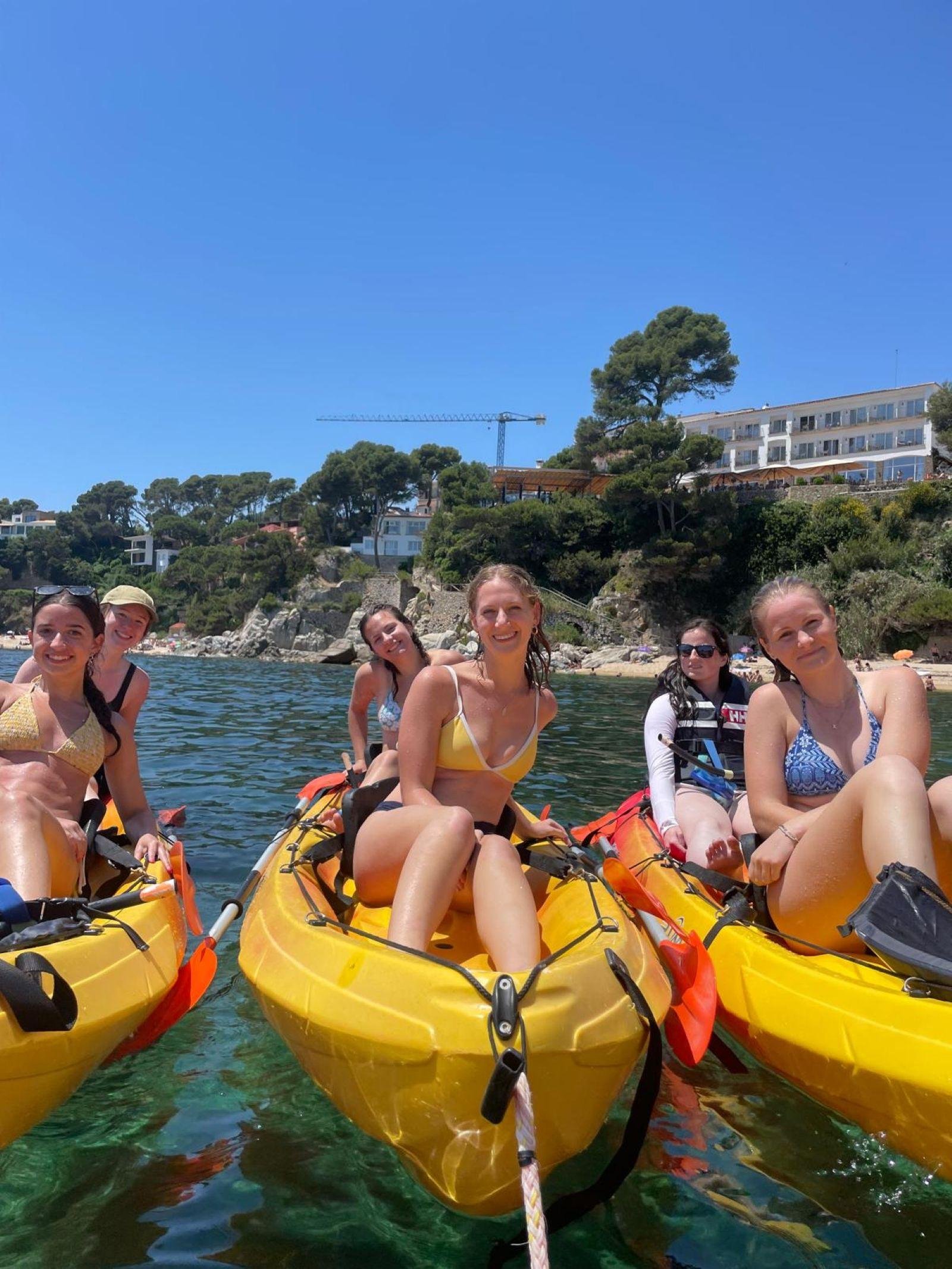
Costa Brava Kayaking & Snorkeling Adventure
|
8 hr | ★ 4.9 | ✓ | ✓ | ✓ | ✓ | €85 | Book → |
|
Standard Entry
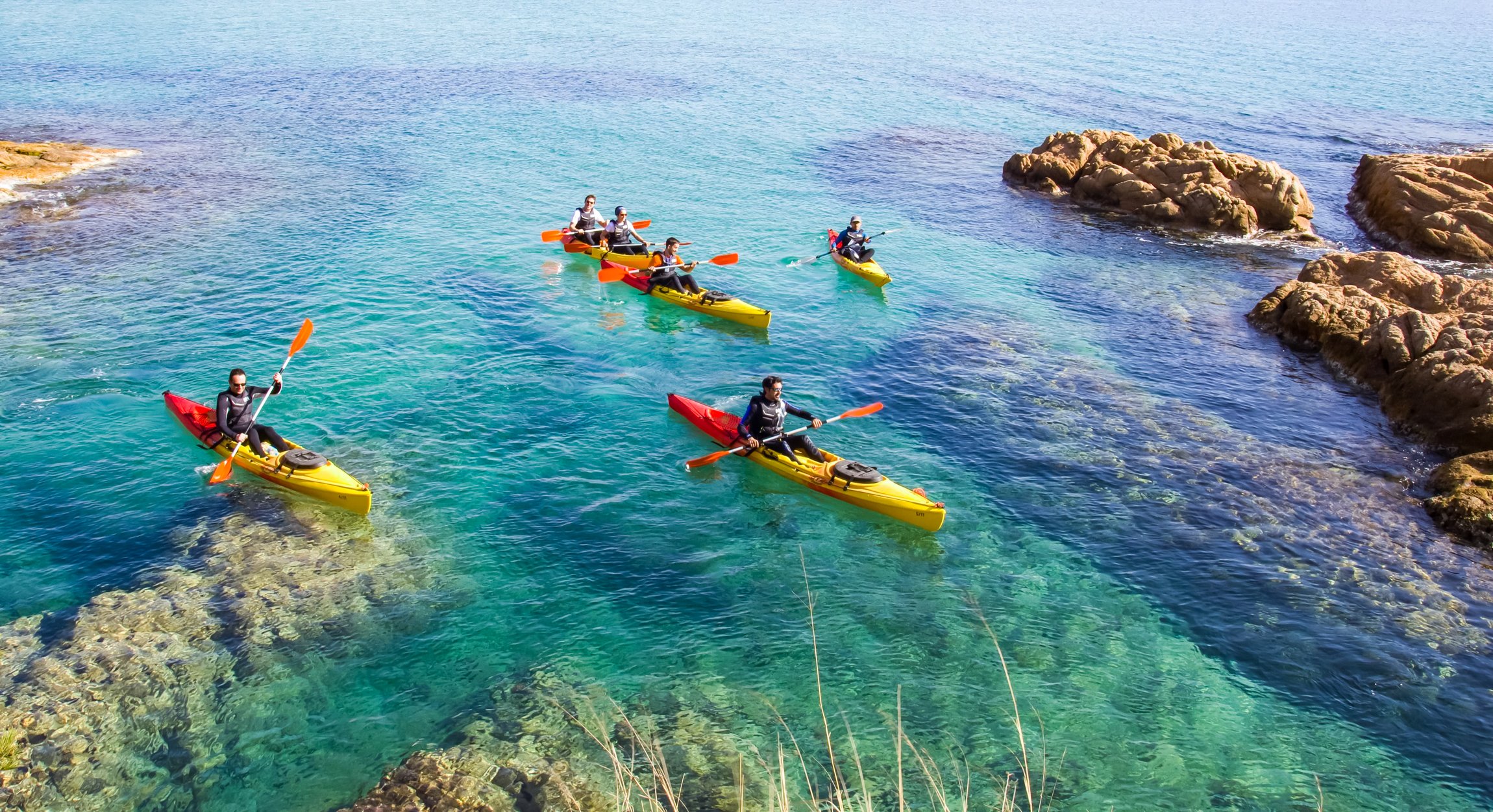
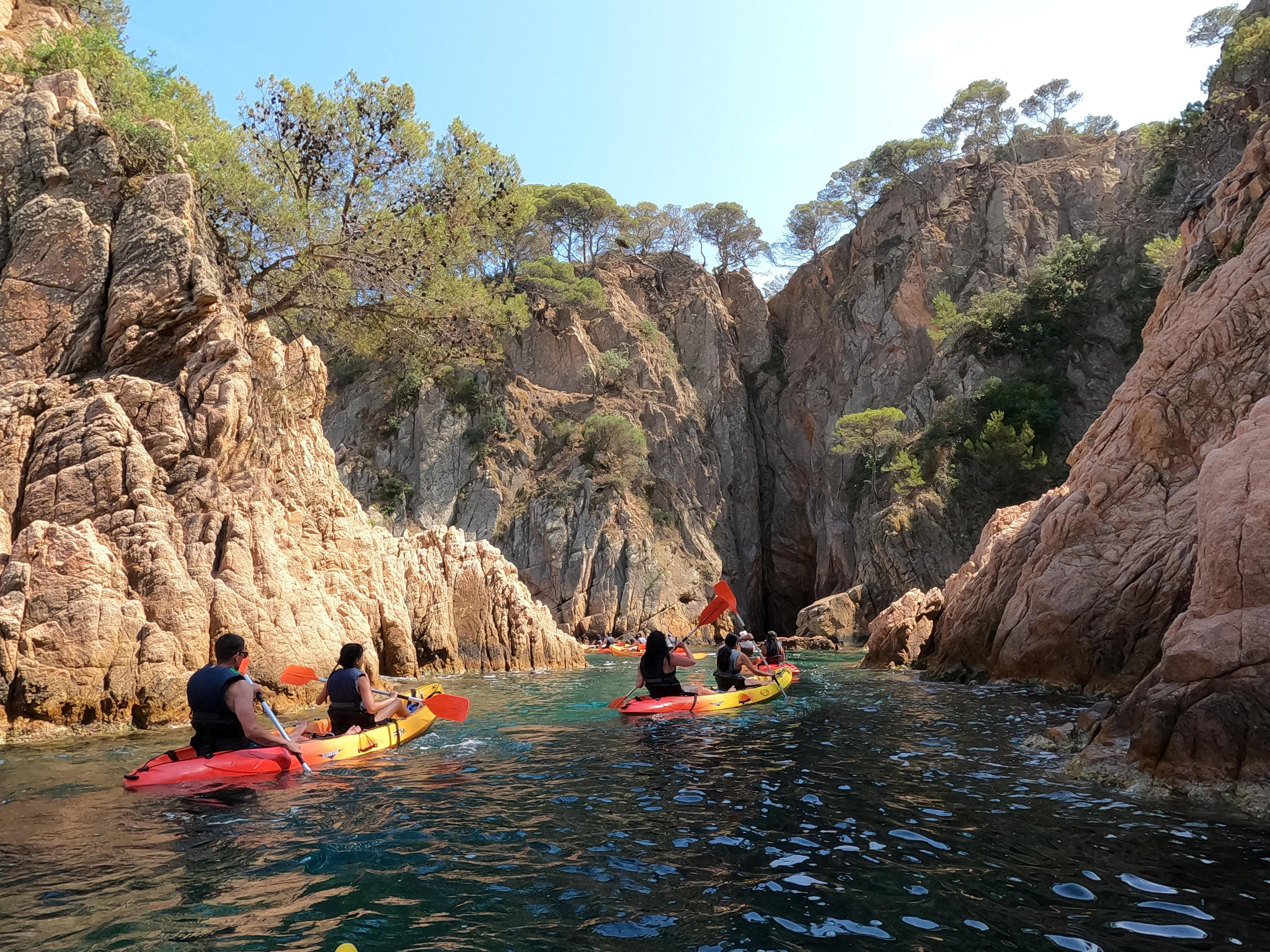
Costa Brava Sea Caves Kayaking & Snorkeling Adventure
|
2 hr | ★ 4.7 | — | ✓ | ✓ | ✓ | €34 | Book → |
Worth it for certified divers seeking biodiversity
While the Costa Brava coastline itself costs nothing to access, scuba diving costa brava through professional dive centers runs €45–€90 per dive depending on site and equipment rental. The premium buys access to protected marine reserves—particularly the Medes Islands—where grouper, octopus, and colorful nudibranchs thrive in visibility often exceeding 20 meters. Cenotes, underwater caves, and dramatic drop-offs offer topography you cannot experience from shore. Beginners pay €60–€120 for discovery dives with instructors, while certified divers can book boat trips to sites like Illes Formigues or Cala Montjoi. The catch: summer crowds mean booking ahead, and autumn through spring delivers clearer water and fewer divers. Independent shore dives at accessible points like Cala Montjoi or Tamariu are free but lack the biodiversity and geological features of boat-access sites. If you are already certified and value Mediterranean marine life over tropical reefs, scuba diving costa brava tours justify the cost. Snorkelers and casual swimmers get adequate views from the surface at zero cost.
Bottom line: Certified divers seeking Mediterranean biodiversity and underwater geology will find Costa Brava dive centers worth the investment, while casual snorkelers can explore the coast for free.
They complement each other; most visitors who do both call scuba diving costa brava the more thrilling option for rocky reef topography. Those seeking warmer Atlantic-influenced currents often prefer the southern coast for their next scuba diving costa brava tour.
|
Top pick Costa Brava |
Costa del Sol | |
|---|---|---|
| Marine biodiversity | Mediterranean rocky reefs | Atlantic-influenced sand and rock |
| Water temperature | 14°C–22°C | 16°C–24°C |
| Typical depth | 10m–30m | 12m–25m |
| Shore access | Frequent rocky coves | Limited sand-entry points |
| Travel ease from major hubs | High via Girona or Barcelona | High via Malaga airport |
| See tickets & prices |
Verdict: Choose the northern coast for superior underwater visibility and diverse Mediterranean habitats, while reserving your scuba diving costa brava tickets for a trip that prioritizes geological formations over warmer water temperatures.
Hand-picked experiences loved by thousands of travelers
10 hours
Free Cancellation
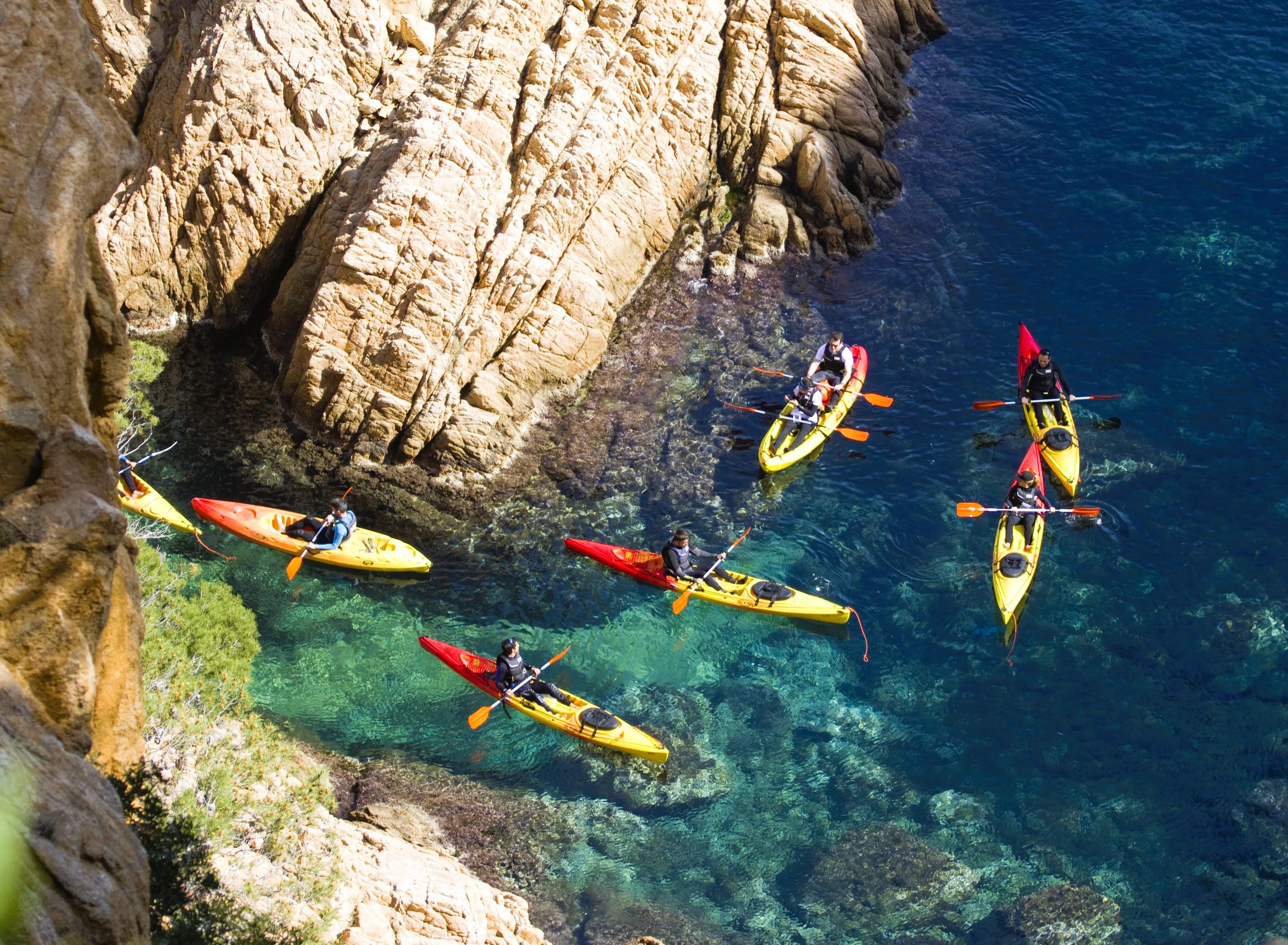
Paddle through sea caves and snorkel in turquoise waters on this full-day coastal adventure to S'Agaró Bay.
6 hours
Free Cancellation
Paddle through hidden coves, snorkel crystal-clear waters, and enjoy a beachside picnic on Catalonia's coast
2 hours
Free Cancellation
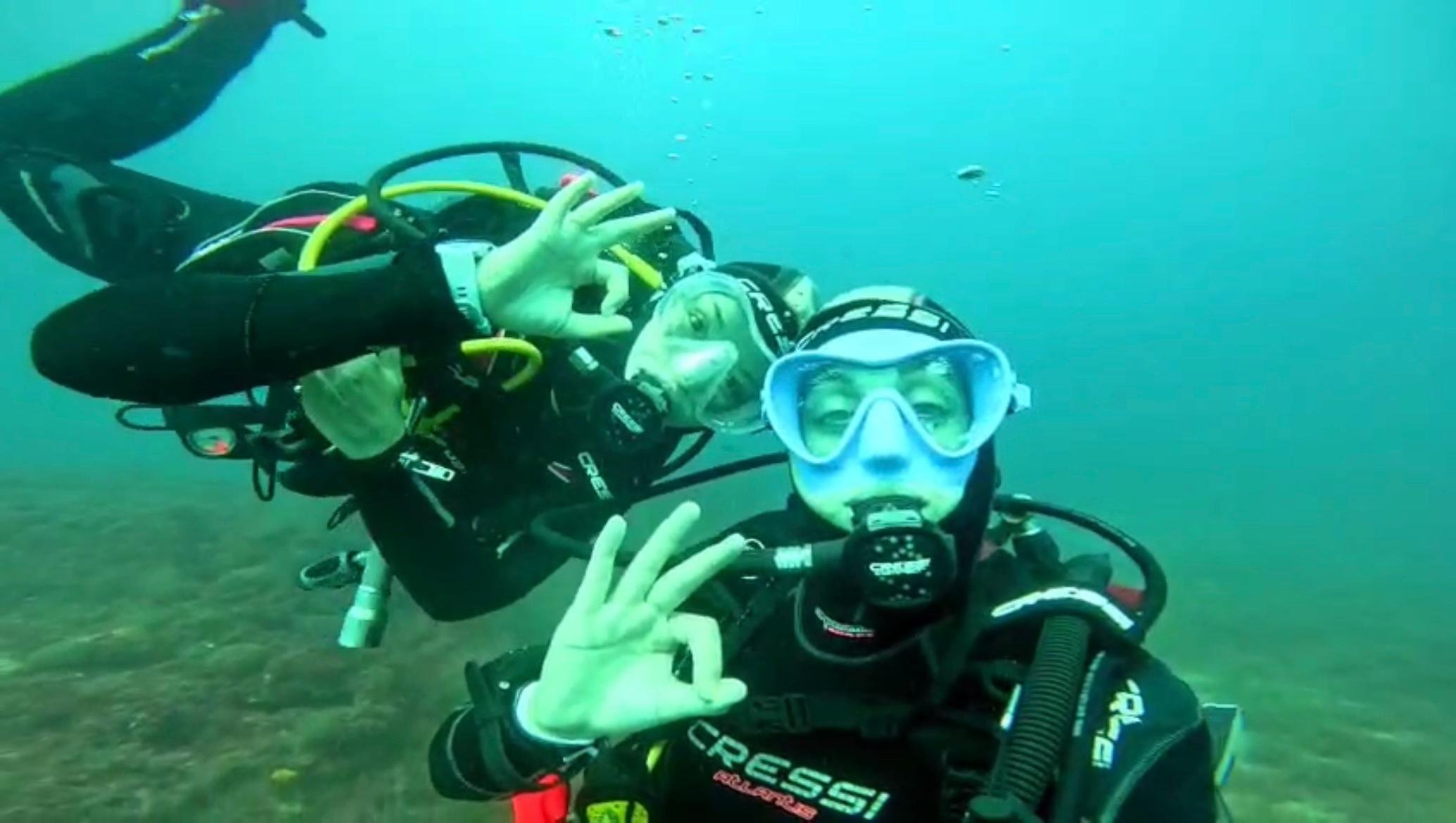
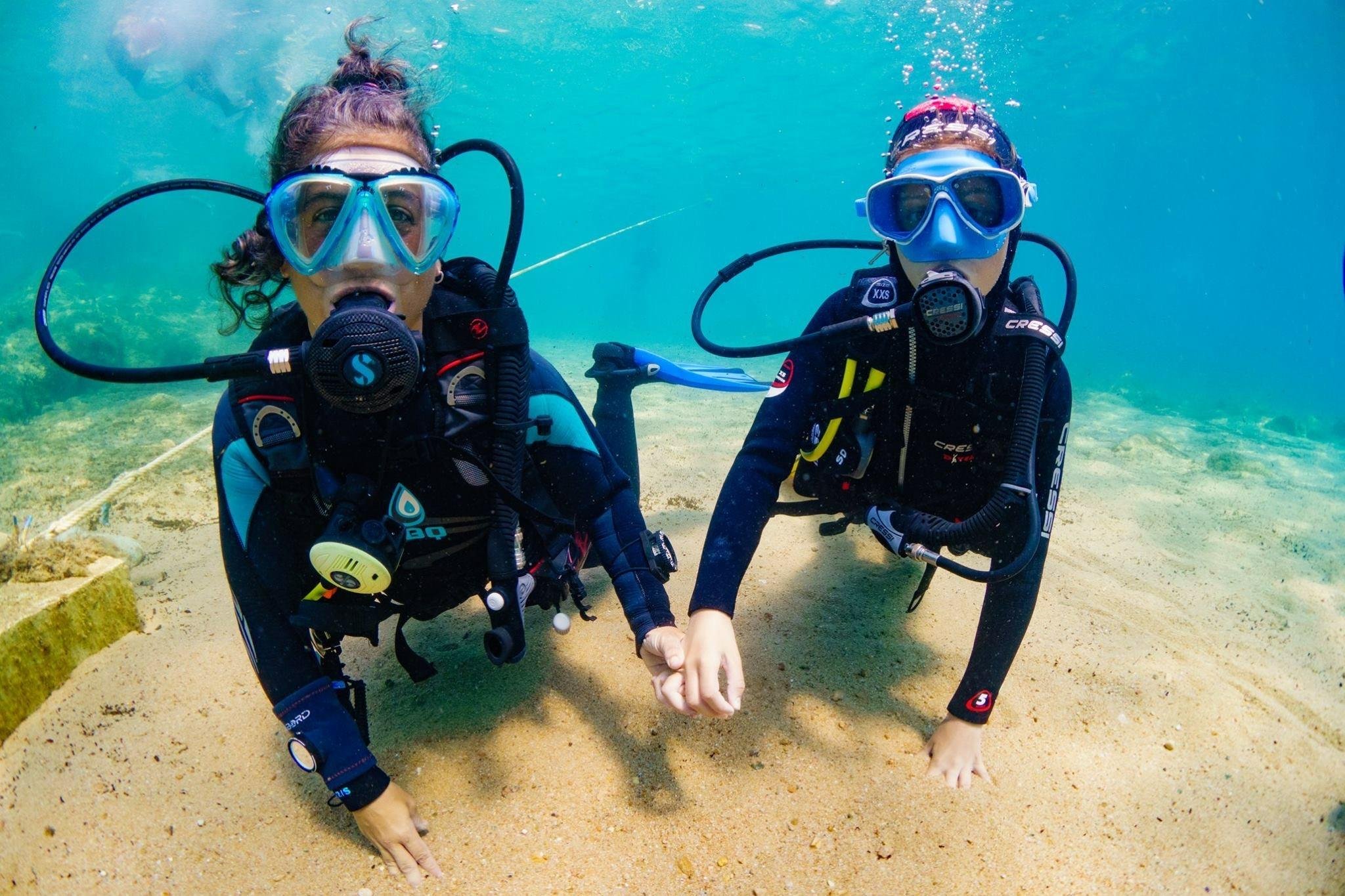
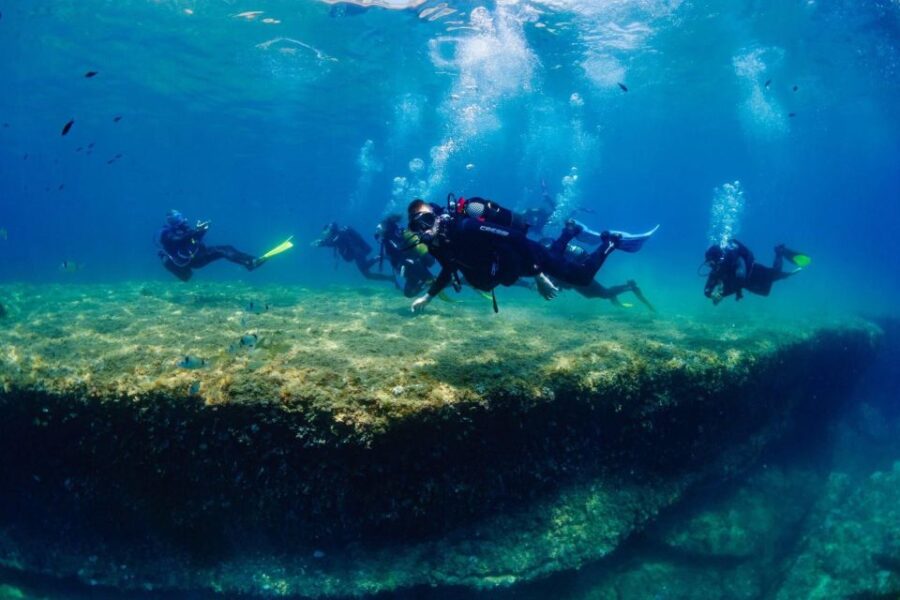
Discover underwater wonders in Costa Brava's sheltered bays with expert guidance—no certification needed
3 hours
Free Cancellation
Discover underwater weightlessness on your first dive with expert guidance in a protected Mediterranean reserve
2 hours 30 minutes
Free Cancellation
Discover Costa Brava's underwater paradise with guided diving and free snorkeling in protected waters
2 hours
Free Cancellation
Paddle dramatic cliffs and snorkel crystalline coves on this beginner-friendly coastal escape from Sant Feliu
5 hours
Free Cancellation
Combine beginner-friendly scuba diving, snorkeling, and a guided walk through Tossa de Mar's historic fortifications in one morning.
1 hour 30 minutes
Free Cancellation
Private intro dive with personal instructor, beach entry, and underwater photos at Mar Menuda Beach
You board the dive boat at L'Estartit harbour just after nine, the Medes Islands visible three kilometres offshore as dark humps against the morning light.
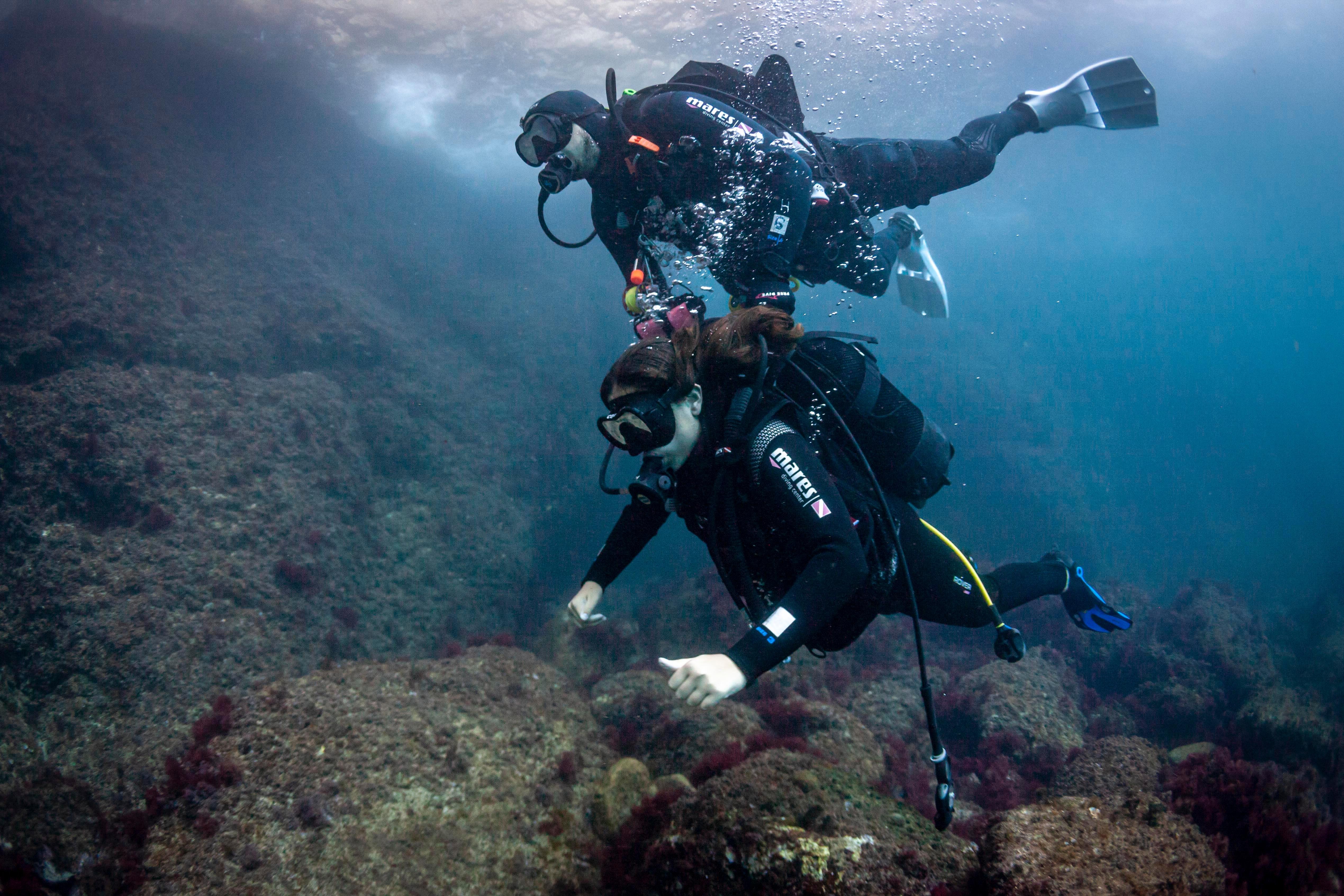
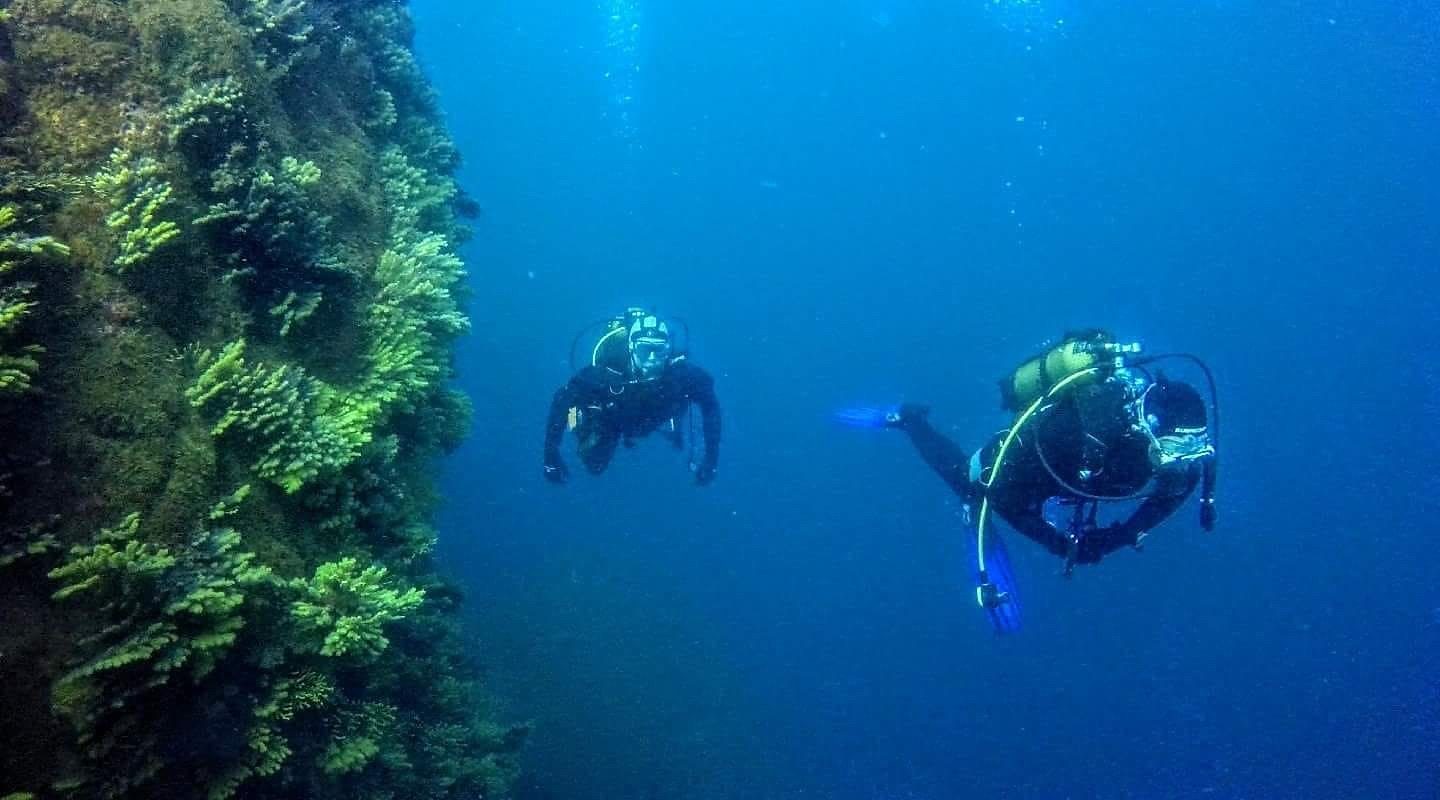
The briefing covers the descent route to eighteen metres, where a vertical wall drops into deeper blue, and your guide points out the gorgonian forest marked on the slate. You step off the stern, equalise through the first few metres, and follow the anchor line to a rocky plateau scattered with boulders and sea fans.
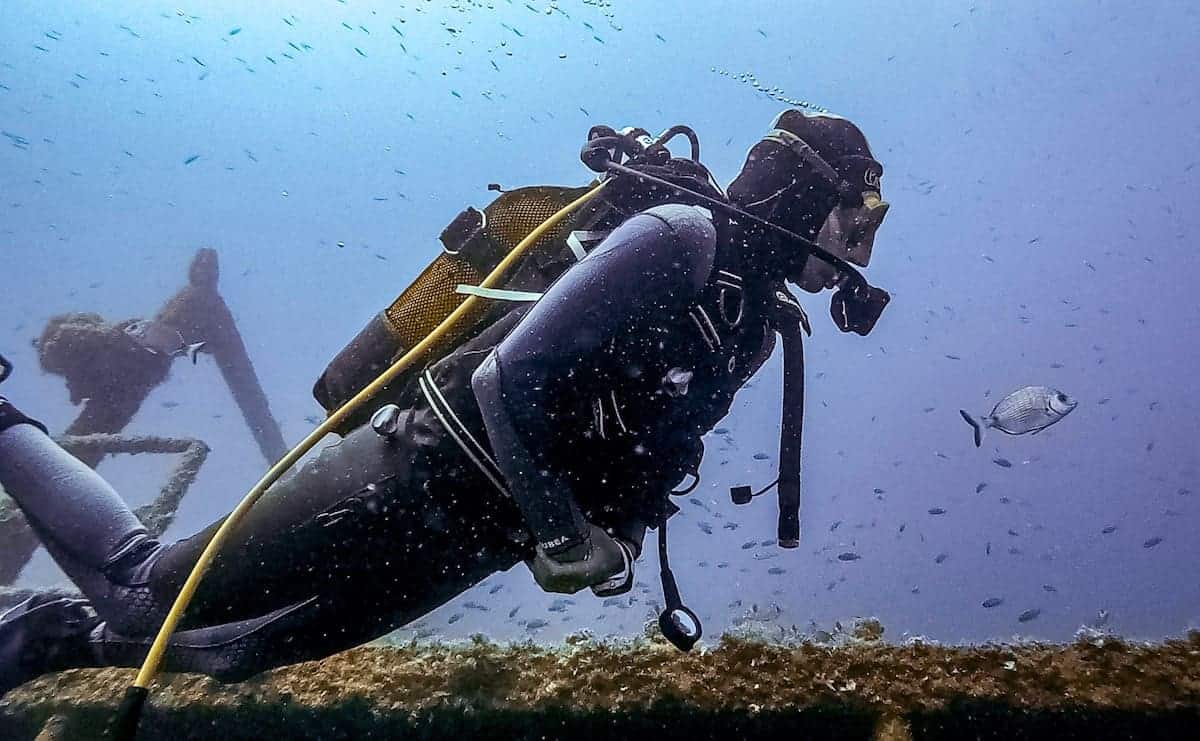
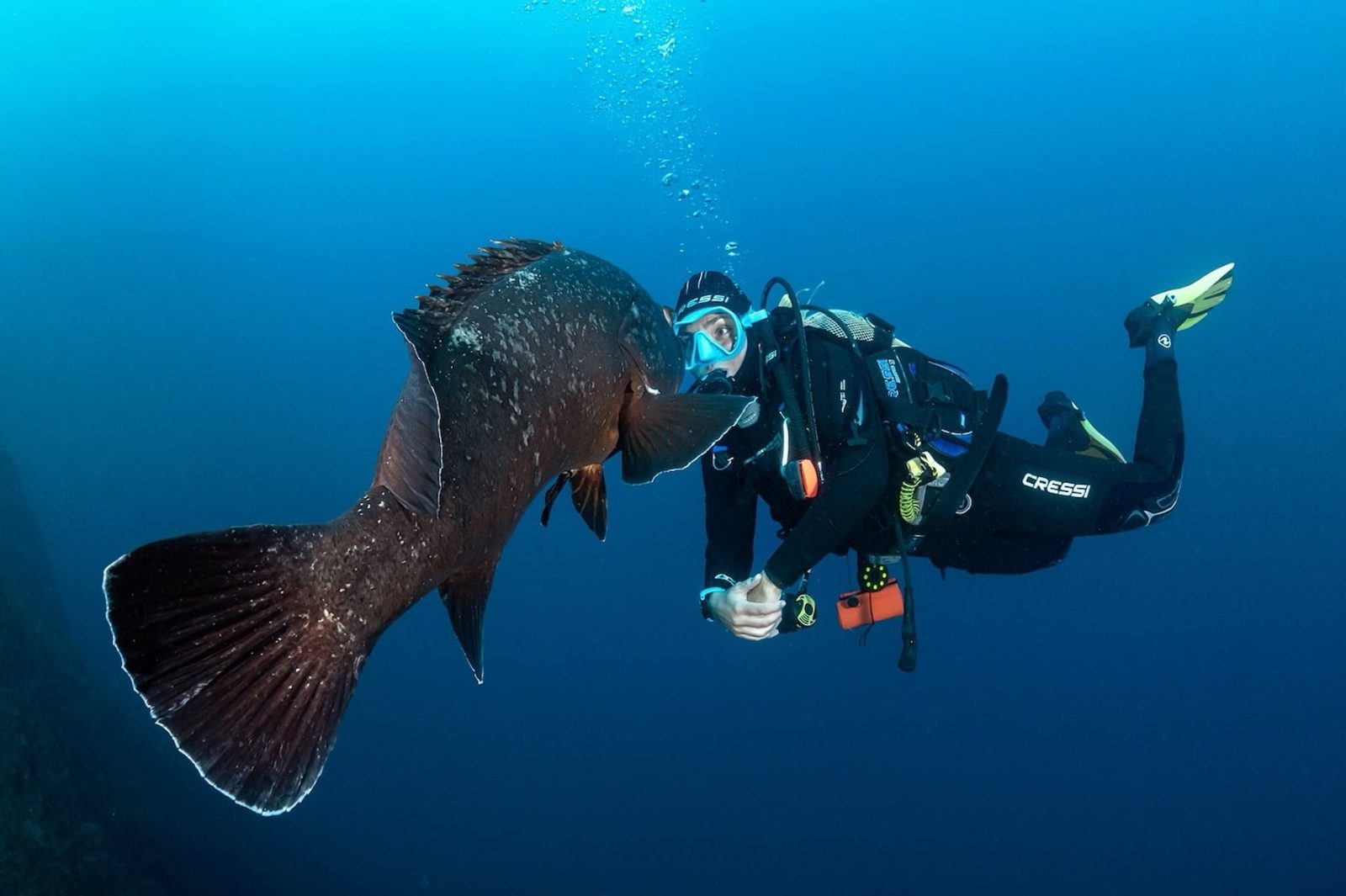
Groupers drift near the wall's edge, their mottled brown bodies half-concealed in crevices, and smaller wrasse flicker through the posidonia grass. You navigate a narrow swim-through between two rock pillars, the stone ceiling brushing the top of your tank, and emerge onto a sand channel where rays leave shallow depressions. The guide signals the halfway point—twenty minutes elapsed—and you begin the gradual ascent, pausing at five metres for the safety stop while damselfish swarm the boat's hull above. Back on deck, the crew logs your dive and confirms the afternoon departure for a second site near Punta Salines.
All the details about your upcoming adventure in one place
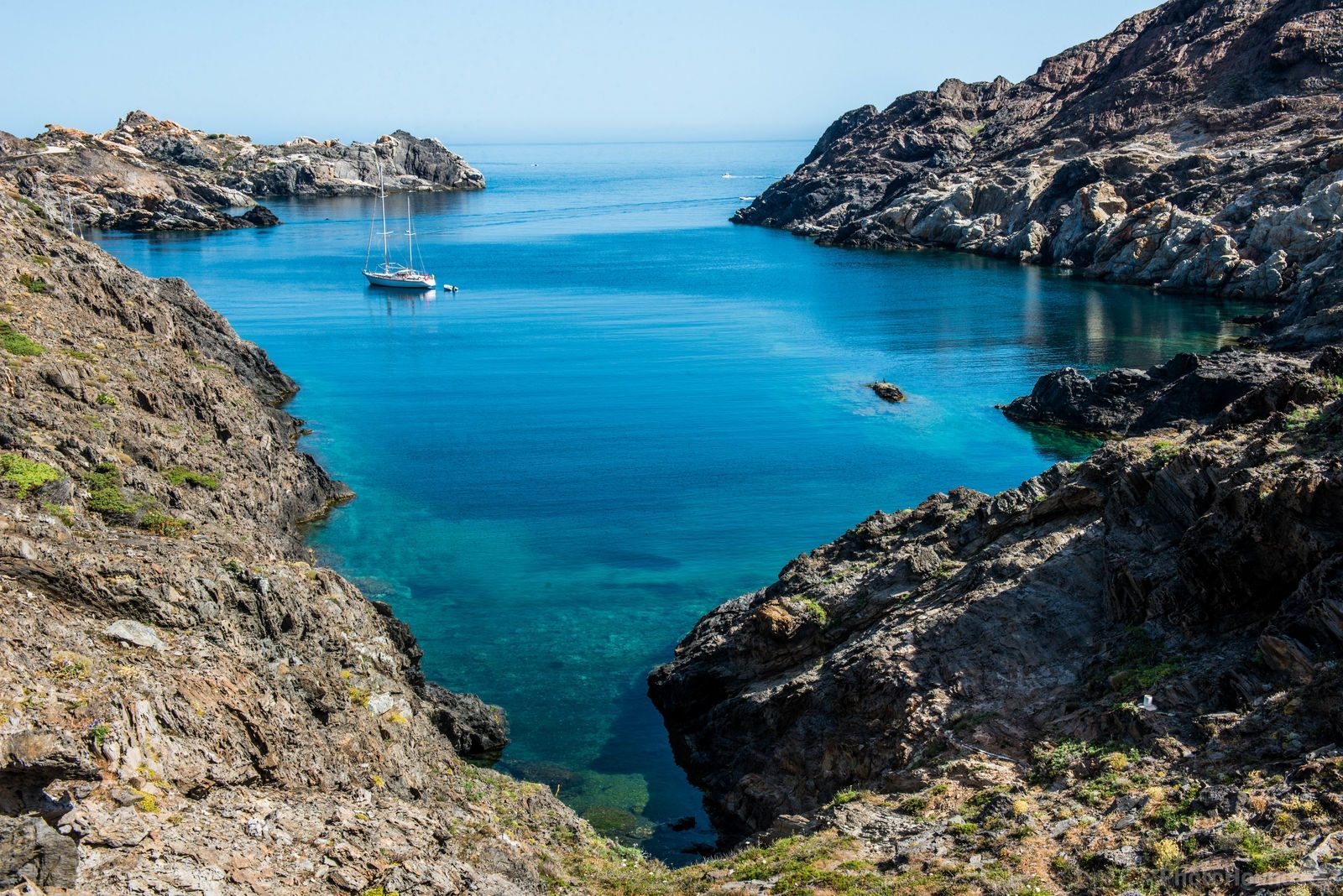
Scuba diving Costa Brava reveals protected marine reserves, dramatic underwater rock formations, and Mediterranean biodiversity along Spain's northeastern coast. The Medes Islands and Cap de Creus offer visibility up to 25 meters, suitable for both beginners and advanced divers. Multiple scuba diving Costa Brava tours operate year-round from coastal towns including L'Estartit, Llançà, and Cadaqués.
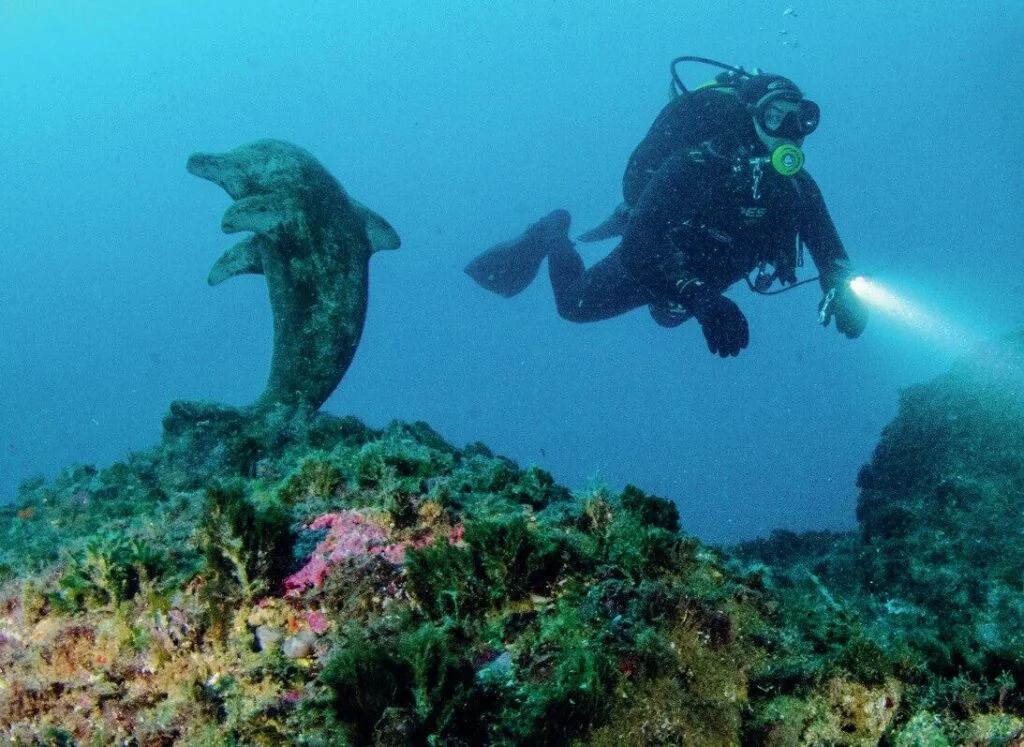
The Medes Islands marine reserve, established in 1983 off the coast of L'Estartit, shelters more than 1,300 species across seven limestone islets and covers 511 hectares of protected seabed.
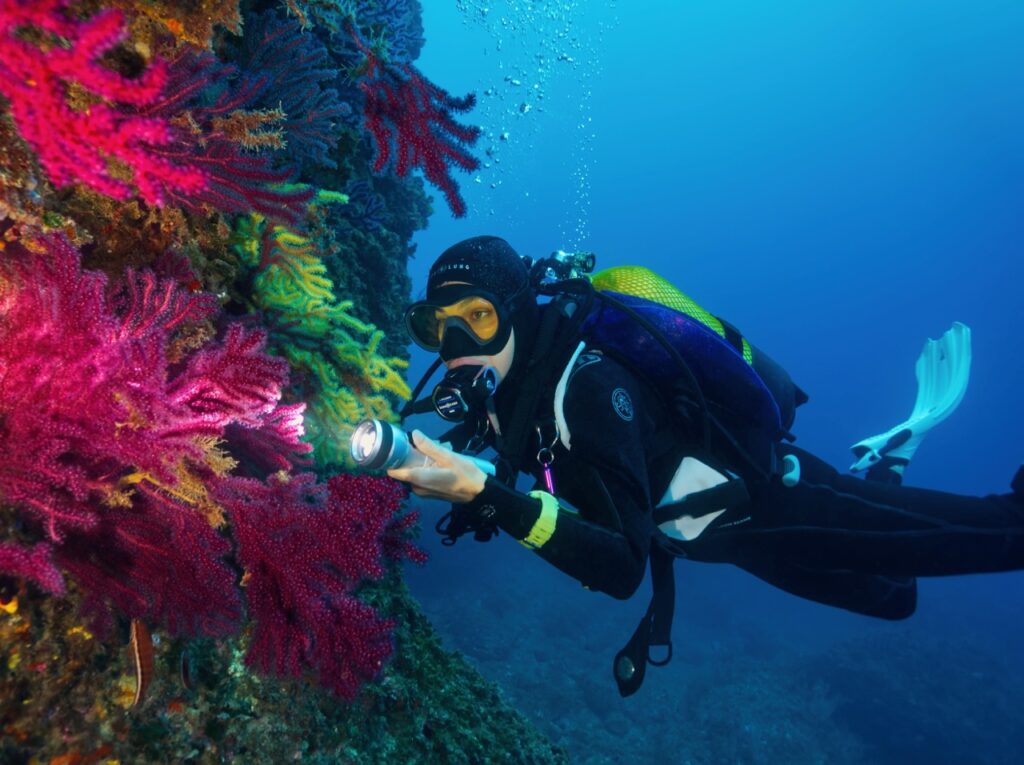
Red gorgonians, groupers, and scorpionfish cluster around drop-offs that descend to forty metres, while posidonia meadows stabilise sandy channels between the islands. The reserve's no-fishing policy transformed these waters into one of the Mediterranean's densest marine habitats, and visibility regularly exceeds twenty metres during spring and autumn.
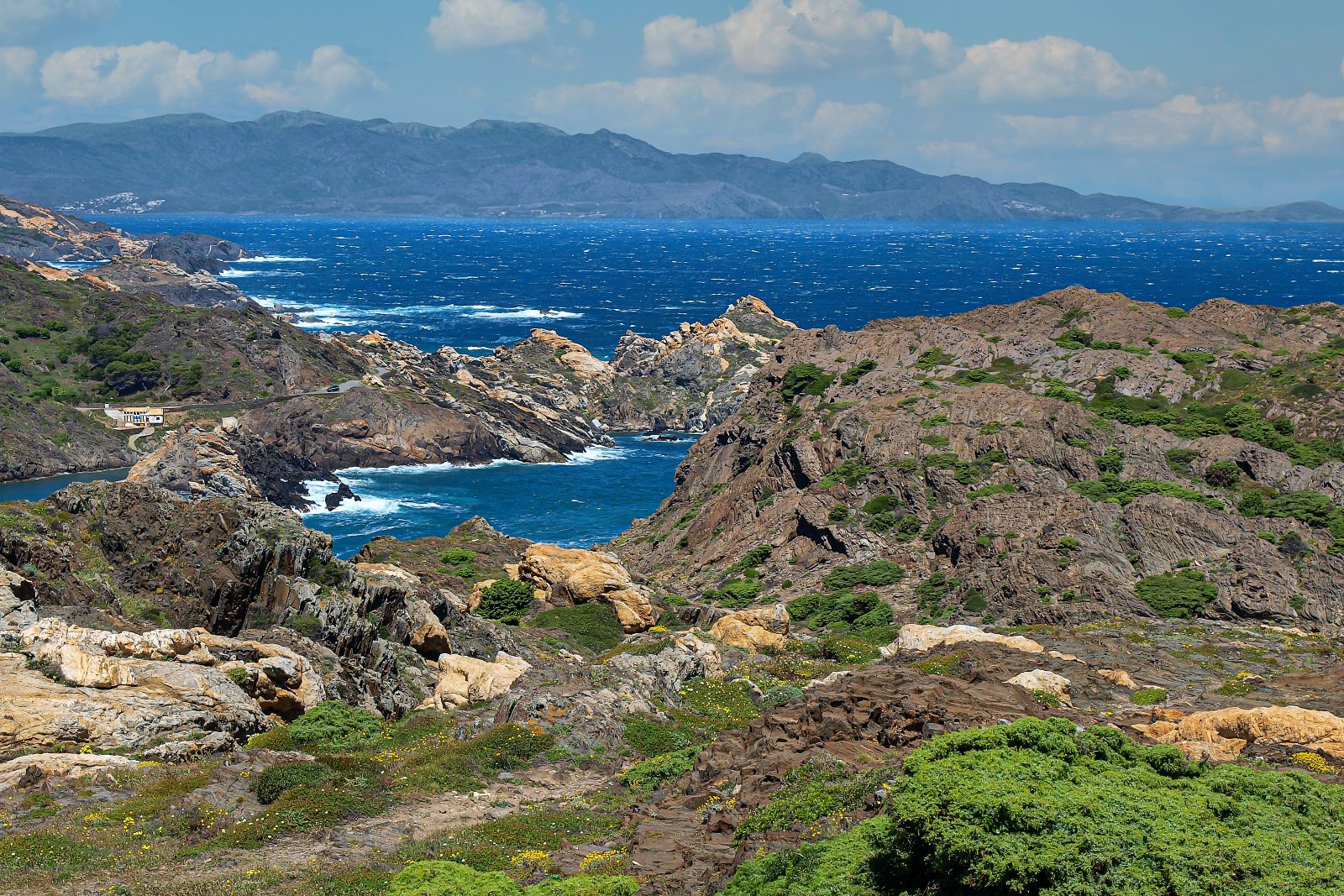
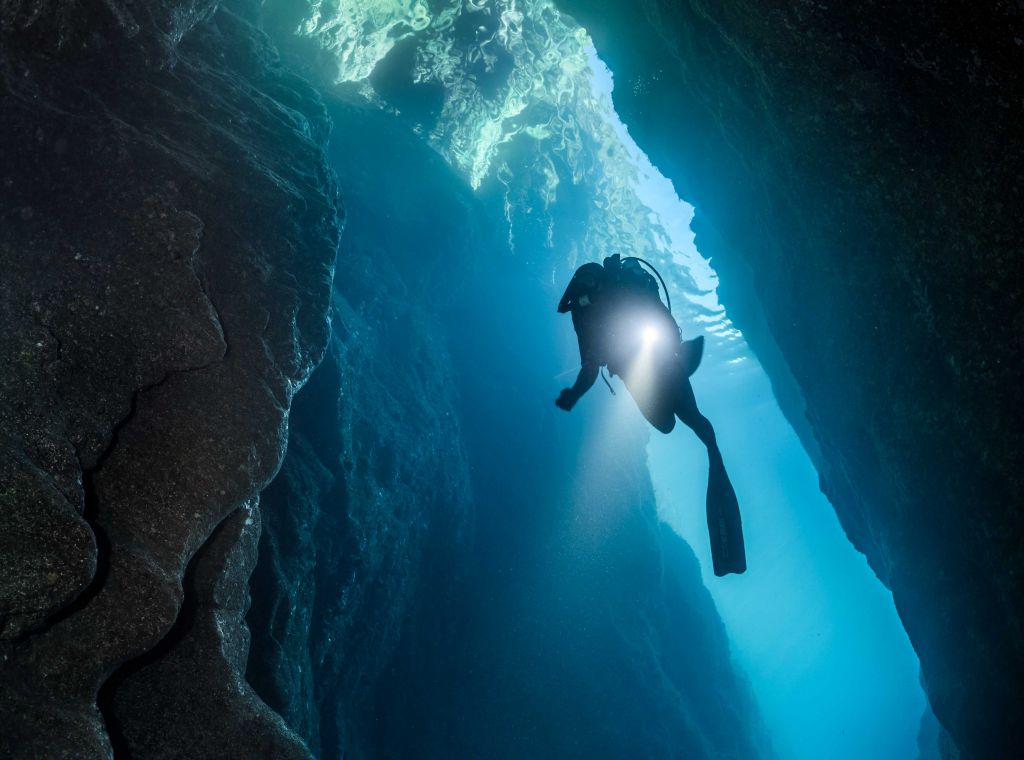
Scuba diving costa brava extends beyond the Medes archipelago to include the rocky coastline between Blanes and Portbou, where underwater caves, tunnels, and arches punctuate granite cliffs. Sites near Tossa de Mar and Begur offer shallow reef dives accessible to open-water-certified divers, while advanced sites like the Vaca cave system near Palamós require wreck and cavern specialisations. Water temperatures range from thirteen degrees Celsius in winter to twenty-four in August, and most dive centres operate daily from April through October.
The region's diving infrastructure developed in the 1960s alongside package tourism, but the creation of protected zones in the 1980s and 1990s shifted focus from spearfishing to conservation-based recreation. Today, scuba diving costa brava attracts both day-trippers from Barcelona—two hours south by car—and dedicated divers seeking multi-day itineraries across Girona province's forty-kilometre coastline. Operators in L'Estartit, Llafranc, and Roses provide equipment rental, boat transport, and multilingual instruction, and most offer introductory dives for first-timers alongside technical courses for advanced certifications.
Diving costa brava sites remain accessible throughout the year, though spring and early autumn deliver the calmest seas and clearest water. Morning departures between nine and noon coincide with optimal visibility before afternoon winds—the tramuntana—arrive from the Pyrenees. The coast's dive centres charge per boat trip rather than entry fees, with prices varying by site distance and group size, and advance booking secures slots during peak summer weekends.

The reserve's no-fishing policy transformed these waters into one of the Mediterranean's densest marine habitats.
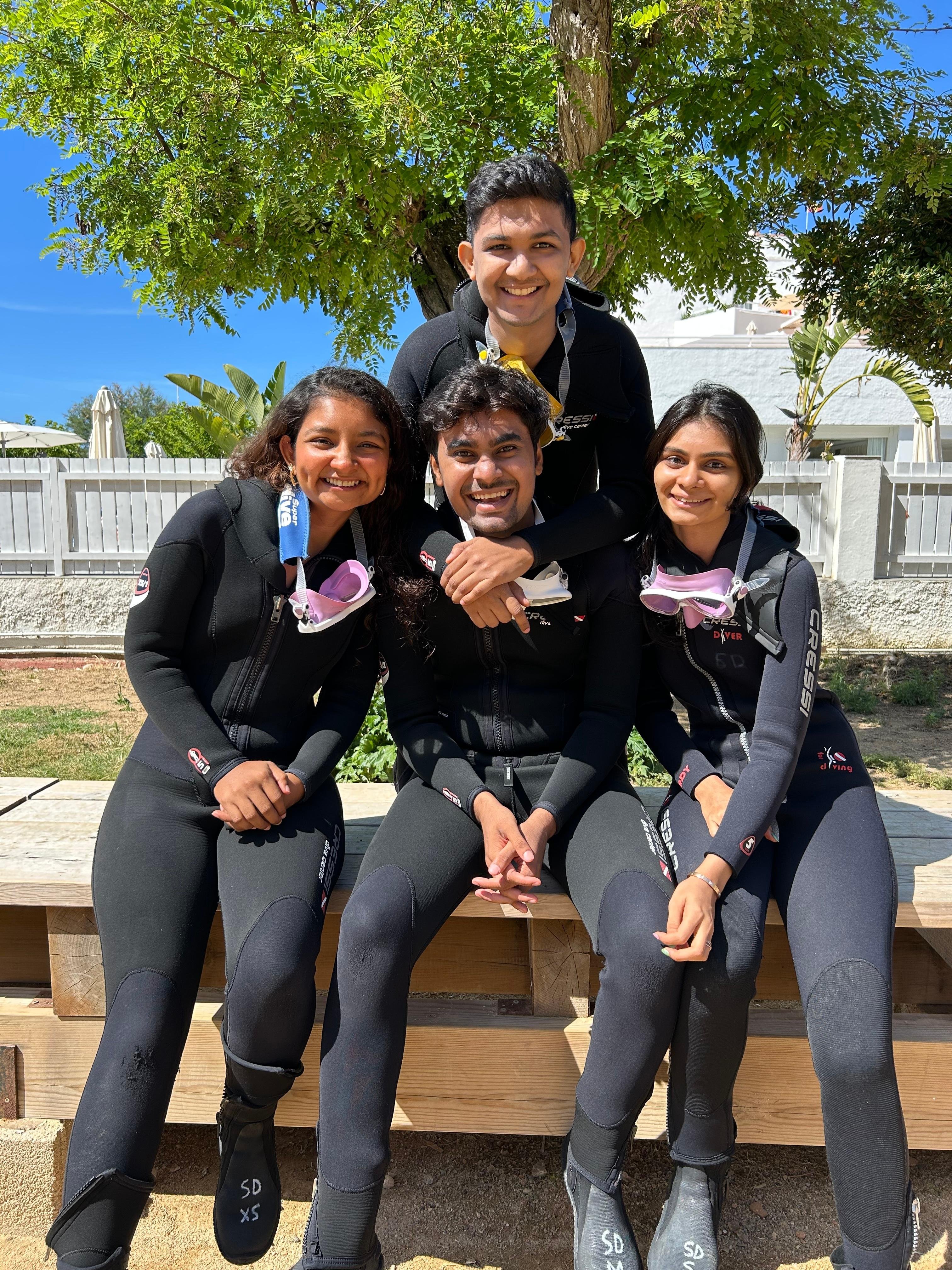
Full-body swimsuits or wetsuits are required for all underwater activities. Specialized gear is provided by dive centers, though you may wear your own if it meets safety standards.
Most centers provide secure lockers or storage areas for personal belongings. Do not leave valuables unattended on beaches or open decks during your scuba diving costa brava session.
Underwater photography is permitted at most sites. Ensure your housing is pressure-rated for your planned depth and secure all cameras during your scuba diving costa brava excursion.
Many centers offer family-friendly snorkeling and introductory sessions. Verify minimum age requirements for children joining a scuba diving costa brava tour.
Accessibility varies significantly between centers. Contact your chosen facility regarding transport for adaptive divers or mobility requirements for boat boarding.
Hydration is essential between dives. Pack light, non-greasy snacks if your scuba diving costa brava tour does not include onboard refreshments.
Opening hours
09:00–19:00 daily
Address
Costa Brava, Girona, Catalonia, Spain
Condition
Varies by center; contact specific operator
Arrival window
09:00–12:00 for best visibility
Storage
Available at most professional dive centers
Navigation
Accessible via coastal roads and local marinas
Car · Various · Convenient parking is available at most marinas.
Follow the AP-7 motorway to access major coastal towns.
Cancellation policies vary by individual operator and package. Please confirm refund eligibility for your specific scuba diving costa brava tour at the time of booking, as entrance to the coast is 0 EUR while diving centers charge for services.
Recommended time
Half a day
A typical two-tank excursion for scuba diving costa brava requires approximately four to five hours to account for equipment assembly, boat transit to sites like the Medes Islands, and surface intervals. Most visitors secure scuba diving costa brava tours early to benefit from the best arrival window of 09:00–12:00, when Mediterranean visibility remains clearest. While individual operators manage scuba diving costa brava tickets, booking in advance ensures you avoid afternoon wind-driven chop that often impacts aquatic conditions. We recommend allocating additional time if you require rental gear fittings or marine biology briefings before your underwater excursion.
Crowd levels through the day
Weather · crowds · average price — dots go green to amber to red as each metric rises.
Excellent visibility and stable conditions for photographers.
The Tramontana wind can affect sea conditions and visibility.
Position your camera near the rocky pinnacles to capture schools of grouper in clear water. This protected area is ideal for scuba diving costa brava tours where marine biodiversity is at its peak.
Shoot from the surface perspective looking toward the jagged rock formations jutting into the sea. These geological features provide a dramatic backdrop for those seeking scuba diving costa brava tickets to explore deep coastal caves.
Focus on the vibrant gorgonian fans that decorate the underwater terrain. This site offers unique opportunities for macro photography as part of a scuba diving costa brava tour.
Refueling after scuba diving costa brava is best done in the nearby fishing villages where fresh Mediterranean catches are the standard. While most dive centers operate near the coast where entry is 0 EUR, you will find excellent culinary options within a short walk of the major hubs.
Located steps from the harbor, this spot is popular with divers for its daily catch and quick service. Order the grilled calamari to enjoy between your scuba diving costa brava tours.
Real experiences from real travelers
We spent three days diving around the Medes Islands and the visibility was exceptional. Our guide pointed out several octopus hiding in rock crevices and we saw large groupers on every dive. The water temperature in August was comfortable at 24°C.
The dive sites along this coastline offer something for everyone. We did shallow reef dives in the morning and a deeper wall dive in the afternoon. The marine reserve protection really shows in the density of fish.
Drove up from Barcelona for a weekend of scuba diving costa brava and it exceeded expectations. The rock formations create interesting swim-throughs and the sea life is more abundant than other Mediterranean spots we have tried.
The diving itself is excellent with clear water and interesting topography. We visited in May which was quieter but I imagine the popular sites get busy in July and August. Book with a smaller operator if you want to avoid crowds.
September is an ideal time for scuba diving costa brava because the water is still warm but there are fewer tourists. We saw a large school of barracuda on our second dive and the visibility was over 20 meters on both days.
The Costa Brava coastline has everything from shallow bays perfect for training to dramatic drop-offs and cave systems. We did six dives over three days and each site had a different character. The local dive centers are professional and safety-focused.
The difference between diving inside and outside the protected zones is striking. Inside the reserve at Medes the fish are larger and more numerous. We saw groupers that must have been 30 kilos and dense schools of bream.
Costa Brava offers reliable conditions and well-organized dive operations. The water clarity in summer consistently exceeded 15 meters and the boat rides to dive sites were short. We particularly enjoyed the early morning dives when the light was best.
The rocky reefs and boulder fields create a dramatic underwater terrain. We found nudibranchs, scorpionfish, and even a small moray eel on our guided tour. The dive briefings were thorough and our guide knew exactly where to find the interesting species.
If you are looking for scuba diving costa brava tickets, book directly with local operators for better rates. The diving itself is good with healthy reefs and decent visibility. Not as spectacular as tropical destinations but enjoyable for what it is.
Everything you need to know for your journey
Coast access is 0 EUR, but you must pay for boat trips and gear through individual diving centers.
Most centers operate from 09:00–19:00 daily.
Yes, many centers offer introductory try-dives in controlled shallow waters.
Bring your certification card, medical clearance, swimwear, and sunscreen.
Yes, though availability depends on the operator and sea conditions.
Most centers are located near marinas; check your booking for specific meeting point details.
Age limits vary; please check with the specific center when booking your scuba diving costa brava session.
Yes, Spanish law requires a medical certificate for certified divers and course participants.
Yes, photography is generally allowed, provided your gear is secure and appropriately rated.
Archipelago with high marine biodiversity.
Central for island access
Join thousands of happy travelers who have discovered this incredible experience
Book Your Experience Now