

Quick answer
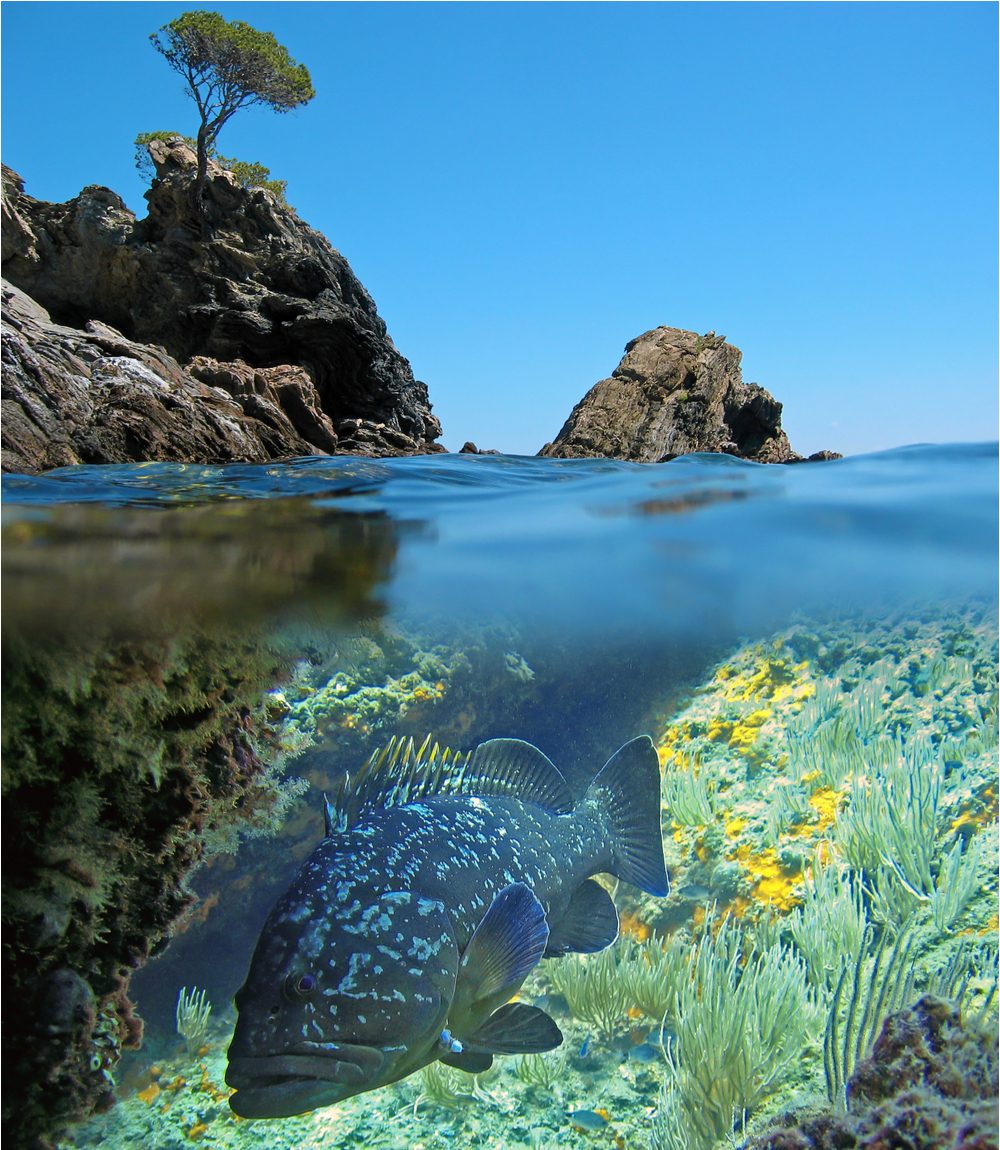
The best place for scuba diving in costa brava is the Illes Medes Marine Reserve, located off L'Estartit in Girona province. The reserve protects seven islands and surrounding seabed across 511 hectares, with dive sites ranging from 5 to 50 meters depth. Boat operators depart between 10:00 and 13:30 daily, and entry to the marine reserve itself is free, though all diving requires booking with licensed operators who hold permits for the protected zone.
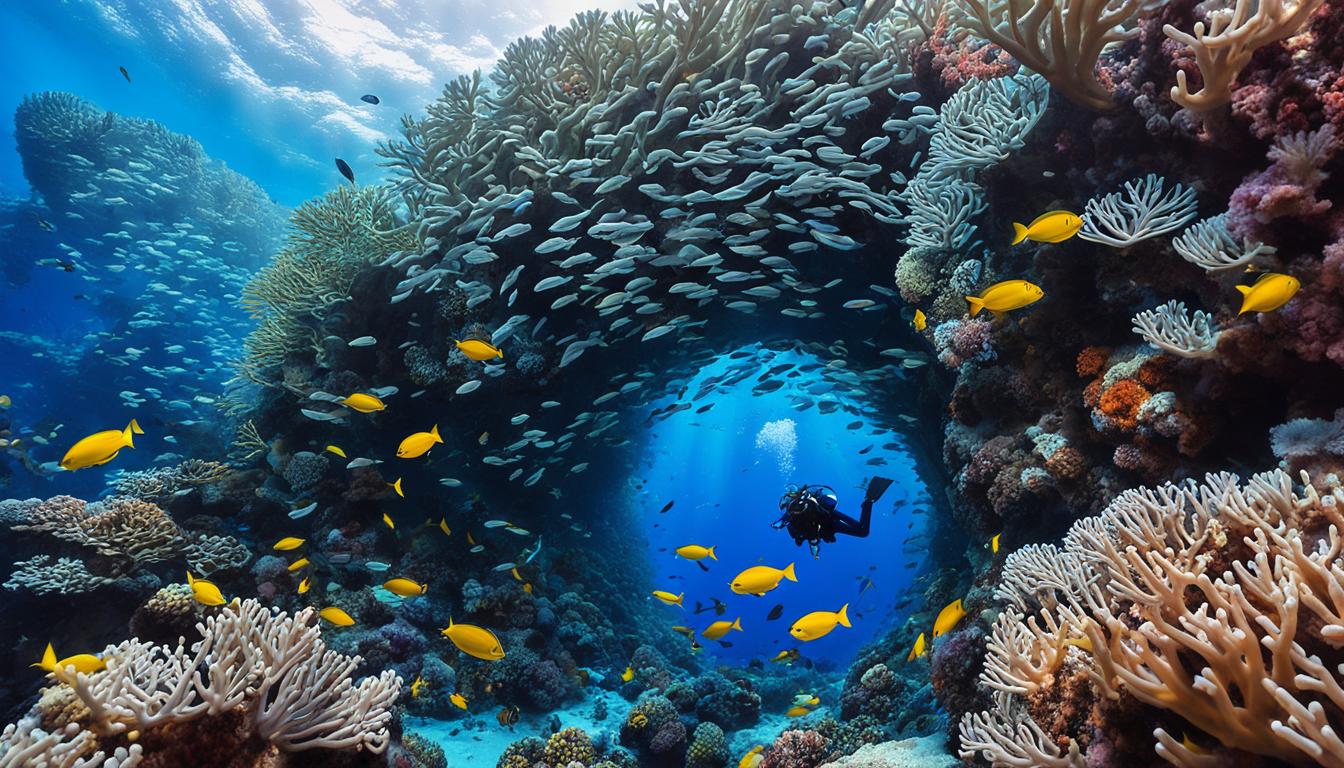
The seabed surrounding the Illes Medes holds over 1,370 recorded species, a figure that places it among the Mediterranean's richest concentrations of biodiversity. This density stems from decades of strict protection: fishing was banned in 1983, and recreational diving has been regulated by permit since 1990. The result is a reef system where grouper patrol vertical walls, octopus occupy every crevice, and soft coral blankets the rock at depths beyond 25 meters. The archipelago comprises seven islands aligned parallel to the coast. The largest, Meda Gran, rises 60 meters above sea level and forms the anchor for the most frequented dive sites. Between the islands, underwater caves and swim-throughs cut through the bedrock, creating channels where currents concentrate nutrients and marine traffic. The Dolphin Cave, Tasco Petit, and El Medallot represent the three most-requested sites, though operators rotate access to distribute pressure across the reserve. Diving the Costa Brava underwater reserve requires working with one of the 14 licensed operators based in L'Estartit. Each holds a daily quota of divers, and peak-season mornings in July and August often reach capacity by mid-week. Certification level determines which sites remain accessible: PADI Open Water grants access to depths up to 18 meters, while Advanced certification opens the deeper walls and caves. Water temperature ranges from 13°C in March to 25°C in September, and visibility averages 15 meters outside of plankton blooms. The reserve's protection extends to the shore. Anchoring is prohibited, and all boats use fixed mooring buoys installed at each dive site. Surface intervals happen on board rather than on the islands themselves, which remain off-limits to preserve nesting seabird colonies. This regulatory framework has allowed the ecosystem to recover from centuries of overfishing, and the current biomass exceeds baseline measurements from the 1980s by a factor of four. For divers seeking Mediterranean conditions without traveling to remote regions, the best place for scuba diving in costa brava delivers accessible richness within a managed, scientifically monitored environment.
“The seabed surrounding the Illes Medes holds over 1,370 recorded species, placing it among the Mediterranean's richest concentrations of biodiversity.”
Best Time of Year and Day for the Best Place for Scuba Diving in Costa Brava
The period from June to September offers the warmest water temperatures, while the daily 10:00–13:00 arrival window provides optimal visibility and boat departure conditions for diving at the Medes Islands.
June to September
HighWater temperatures 20°C to 24°C
Warm waters favor longer dives with thinner suits. Summer attracts the highest number of visitors to the coast.
October and May
ModerateWater temperatures 17°C to 19°C
Clearer water visibility often occurs during these shoulder months. Fewer divers occupy the marine reserve compared to peak summer.
Weekday mornings
Low—
Arrival within the 10:00–13:00 window ensures the best conditions for boat departures and diving visibility. Mid-week visits avoid weekend congestion at local operators.
Verdict: For the clearest conditions and manageable crowds, plan your visit for weekday mornings during the shoulder months of May or October.
Operating Hours at the Best Place for Scuba Diving in Costa Brava
The marine reserve operates on a consistent schedule throughout the week to facilitate organized diving activities. Visitors may plan their logistics according to these daily hours.
| Monday | 10:00–13:30 | |
|---|---|---|
| Tuesday | 10:00–13:30 | |
| Wednesday | 10:00–13:30 | |
| Thursday | 10:00–13:30 | |
| Friday | 10:00–13:30 | |
| Saturday | 10:00–13:30 | |
| Sunday | 10:00–13:30 |
Fees and Costs at the Best Place for Scuba Diving in Costa Brava
Access to the Illes Medes marine reserve is free of charge. Diving activities require professional services from local operators, which involve specific service fees.
While the reserve entry is 0 EUR, total costs depend on the specific diving packages provided by local operators.
Getting to the Best Place for Scuba Diving in Costa Brava
The Medes Islands are situated off the coast of L'Estartit, which serves as the primary base for dive operations. Accessing the marine reserve requires boat transport provided by local diving centers.
GI-641 road to L'Estartit
Sarfa bus line to L'Estartit
Diving center vessel from L'Estartit port
Underwater Sights at the Best Place for Scuba Diving in Costa Brava
The Illes Medes archipelago, a protected marine reserve, hosts a diverse range of Mediterranean ecosystems. These seven islets offer specialized zones for observing marine life and geological formations.
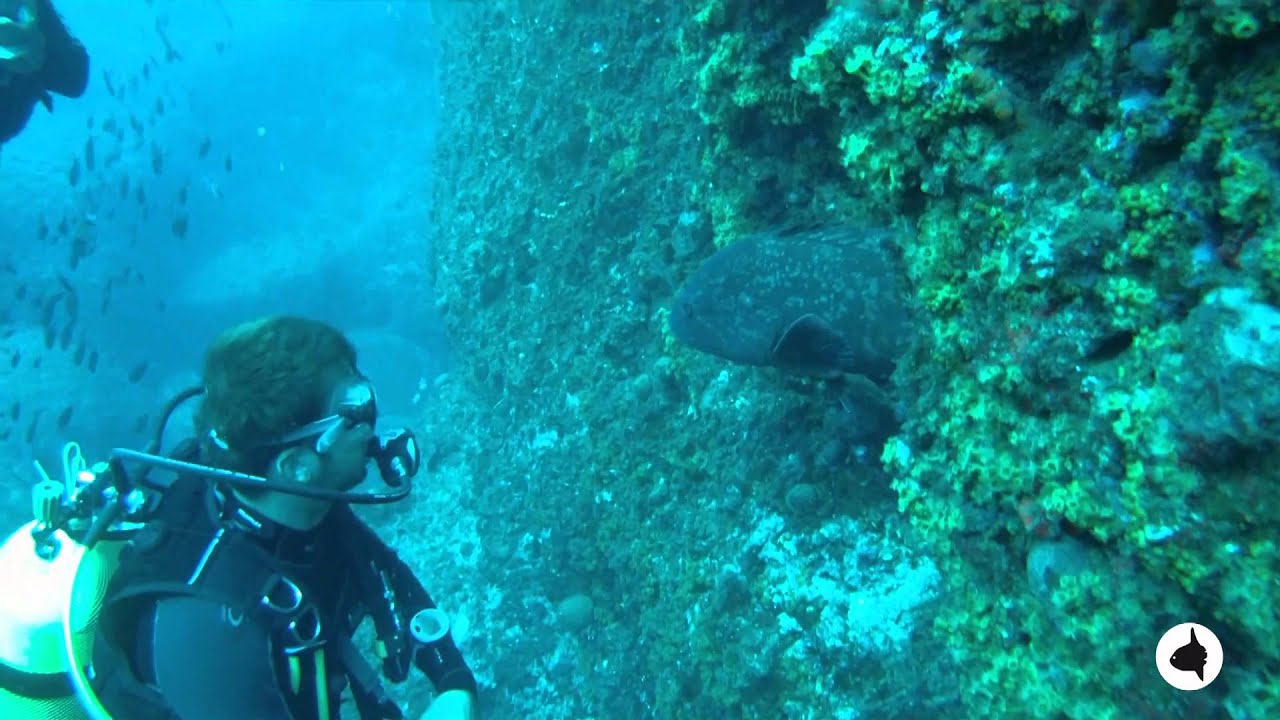
Carall Bernat
A sheer underwater cliff dropping to 50 meters, famous for large schools of grouper and vibrant red coral. Observe the wall depth to spot lobsters hiding in crevices.
Look for large groupers near the base of the wall.
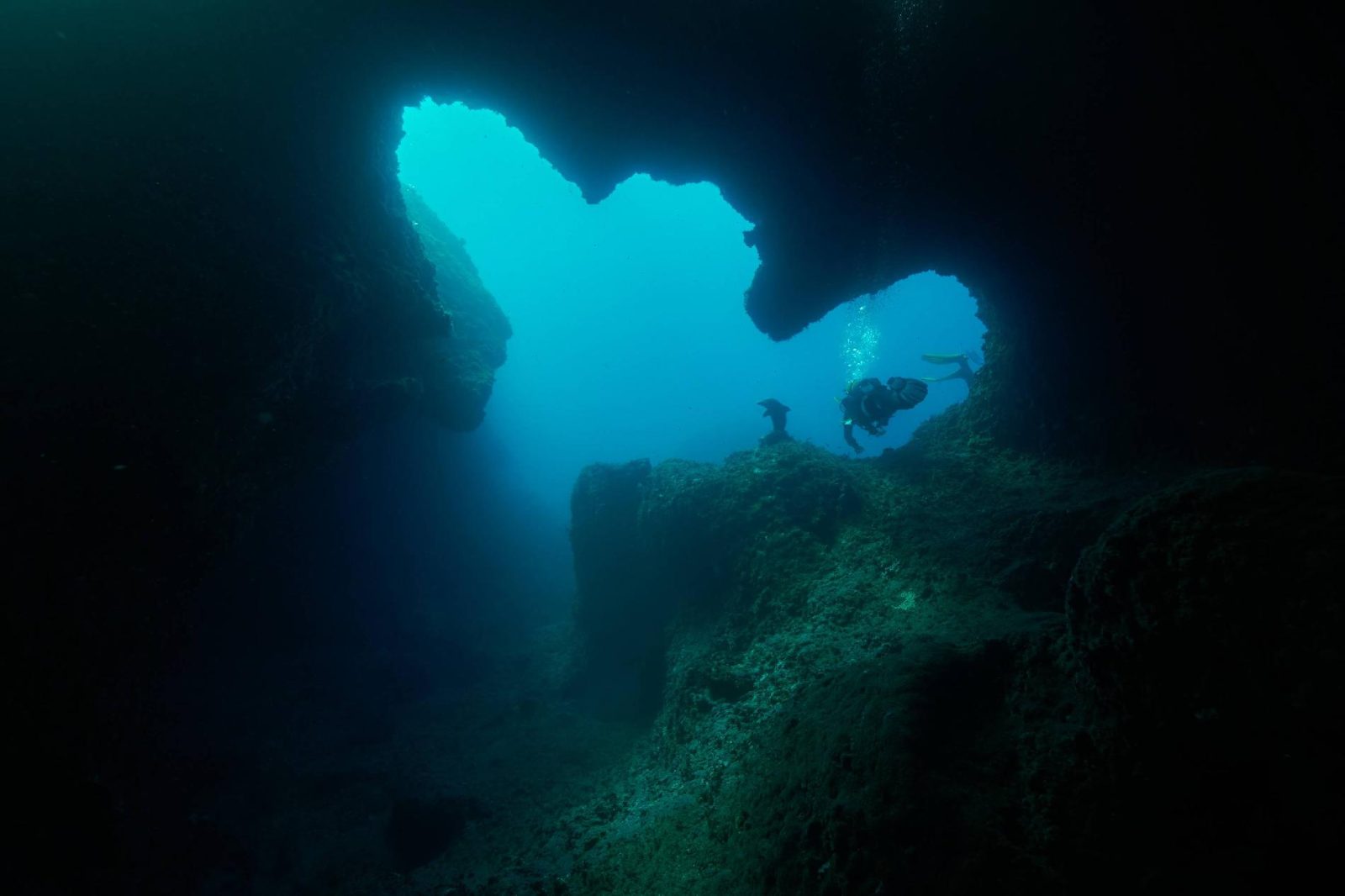
Dofi Sud
This site features a series of underwater tunnels and caverns where light creates distinct patterns. It is known for its resident population of dusky groupers.
Use a dive light to illuminate the tunnel ceiling.
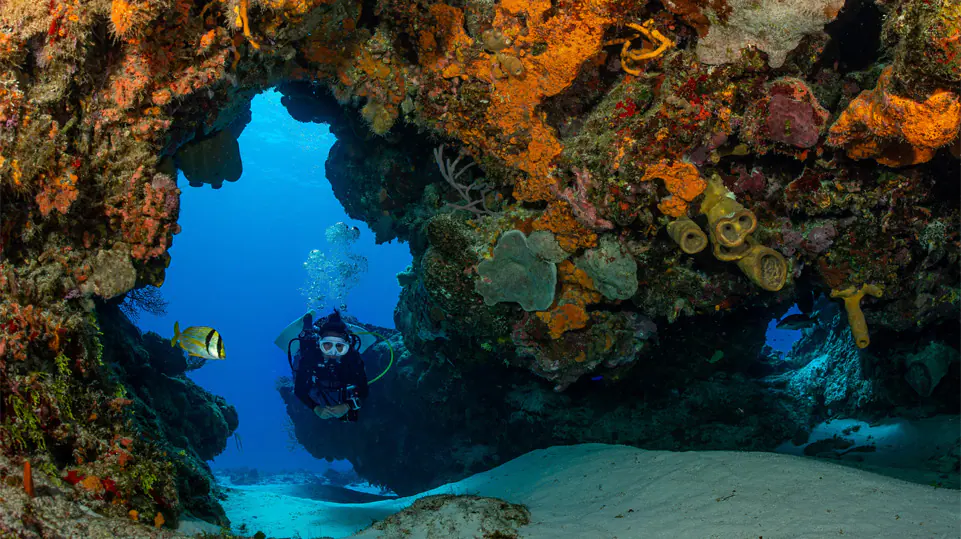
La Vaca
An expansive tunnel system cutting through the rock, characterized by its varied marine life and golden-hued sponges. It is a preferred site for photographers due to light penetration.
Enter from the south entrance for optimal lighting.
Tascons
A complex of reefs and channels creating a habitat for nudibranchs, barracuda, and schools of salema. The varied topography allows for diverse marine sightings.
Maintain neutral buoyancy to inspect the reef crevices.
Preparation Checklist for the Best Place for Scuba Diving in Costa Brava
Diving the Medes Islands marine reserve requires proper certification, advance planning with operators, and the right gear.
-
Confirm your PADI or SSI certification is current — Operators require valid proof of training and recent dive experience before departure
-
Book with a licensed dive center in advance — Reserve slots fill quickly, especially during summer and weekends
-
Arrange equipment rental or bring your own gear — Most operators provide full rental sets, but verify availability and sizing
-
Pack your dive log and medical clearance if needed — Recent certifications or medical conditions may require documentation
-
Arrive at L'Estartit harbor 30 minutes early — Boat departures operate on schedule, and operators conduct safety briefings beforehand
-
Bring reef-safe sunscreen and motion sickness tablets — Protect the marine ecosystem and prepare for choppy crossings to the islands
Check availability
Frequently Asked Questions: Best Place for Scuba Diving in Costa Brava
Everything you need to know about best place for scuba diving in costa brava